
July 2026 Newsletter
Industrial Strength Data Science and AI
Hi everyone-
Quite a month! World Cup kicking off, deals (or no deals) in the Straits of Hormuz, a potential new PM, and the hottest days on record... definitely time for a quiet read in the shade with all the goings on in the wide world of AI and Data Science. Lots of great content below and I really encourage you to read on, but here are the edited highlights if you are short for time!
I Tried to Sell My House With A.I. - NY Times
Built to benefit everyone: our plan - Sam Altman and Jakub Pachocki
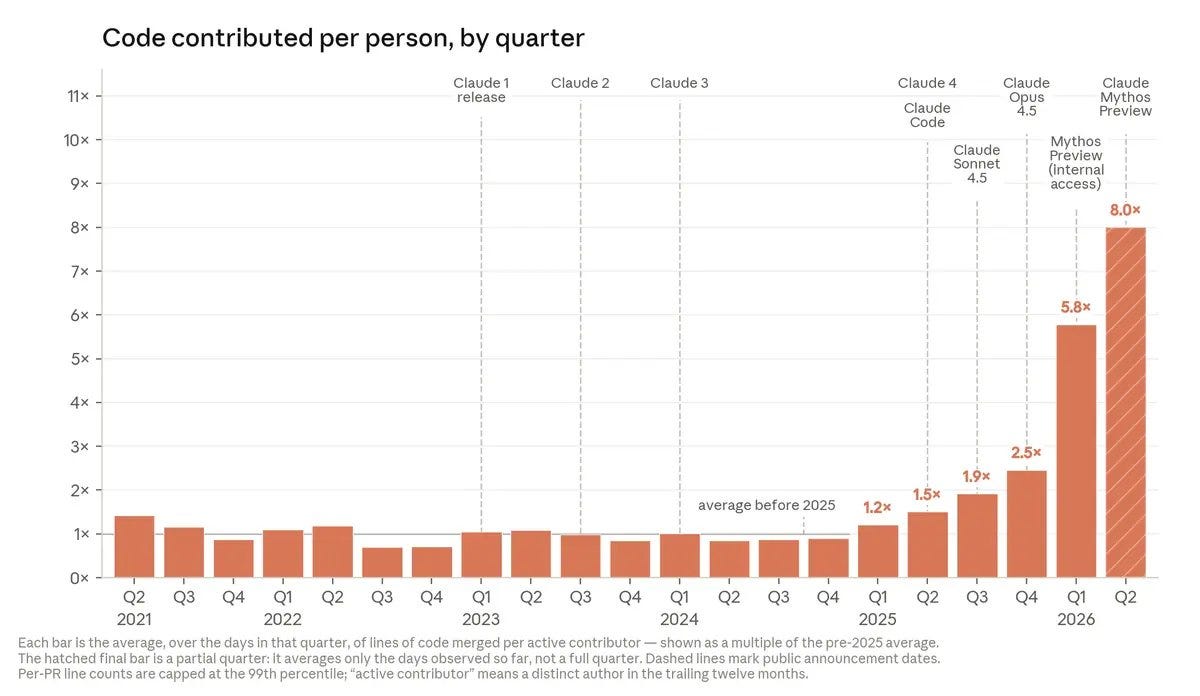
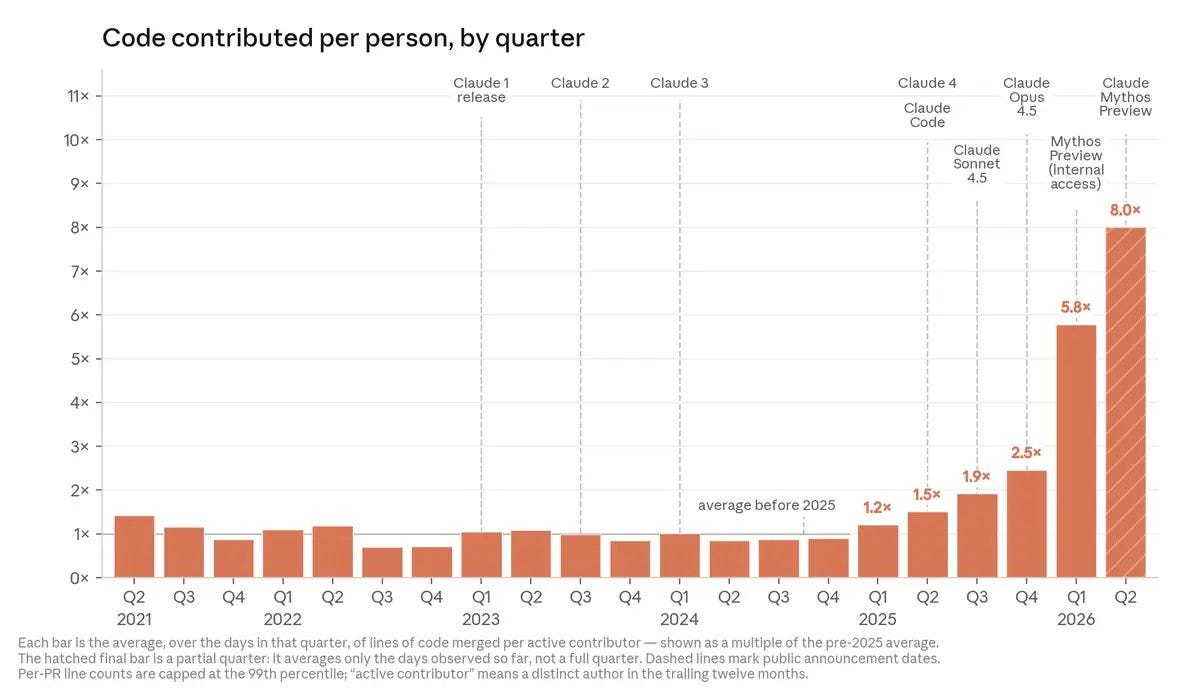
When AI builds itself Anthropic - Marina Favaro and Jack Clark (Anthropic)
How Phones Alerted Millions Before Quakes Shook Venezuela - NY Times
What it feels like to work with Mythos - Ethan Mollick
Following is the latest edition of our Data Science and AI newsletter. Hopefully some interesting topics and titbits to feed your data science curiosity. NOTE: If the email doesn’t display properly (it is pretty long…) click on the “Open Online” link at the top right. Feedback welcome!
committee; ethics; research; generative ai; applications; practical tips; engineering; big picture ideas; fun; reader updates; jobs
Committee Activities
The full program for the RSS International Conference (Bournmouth 7-10 September 2026) is now out
"Whether you are looking to immerse yourself in the newest methodological innovation, hear about real world impact in health, public policy, and education, or learn new skills via our professional development workshops, there is plenty to choose from."
Our new journal is up and running RSS: Data Science and Artificial Intelligence
There is a new call for paper for the journal- the very relevant topic of “Uncertainty in the Era of AI” (Deadline 31 July 2026)
The second in our series of essential skills for data scientists- "How to write code you can be proud of" - went ahead on June 16th and was very successful, with strong attendance and a good discussion. Write up to follow.
And the write up of the first in the series- "How to stay up to date as a data scientist" - is now available at RealWorldDataScience
This Month in Data Science
Lots of exciting data science and AI going on, as always!
Ethics, Regulation and Society
The Mythos saga- the US government gets involved
Anthropic's new Mythos model was released.. and then the US government got worried
The specific concern with frontier cyber tools like Mythos is that they are ostensibly capable of both identifying and exploiting software vulnerabilities at speeds that no human analyst could match. Since many software systems contain hidden bugs that act as entry points into enterprise networks, this poses an obvious and significant problem for any organization running complex software infrastructure.
Here's Anthropic's take: Statement on the US government directive to suspend access to Fable 5 and Mythos 5 Anthropic
We disagree that the finding of a narrow potential jailbreak should be cause for recalling a commercial model deployed to hundreds of millions of people. If this standard was applied across the industry, we believe it would essentially halt all new model deployments for all frontier model providers.
Implications for cyber security: Anthropic Embeds Engineers in the NSA to Deploy Mythos
Anthropic's red team said Mythos Preview could find and exploit zero-day vulnerabilities in 'every major operating system and every major web browser' when a user directed it to. ... A complete exploit pipeline against a complex Linux target ran under a day at a cost below $2,000, the post said, and roughly a thousand OpenBSD vulnerability searches cost under $20,000 in total.
And what does this all mean for Europe? How critical is technical sovereignty and datacentre capacity: A viral doomsday scenario aims to shake Europe out of its AI complacency
In a matter of years, America monopolises 70% of the world’s "compute" – the semiconductor chips that fill the datacentres that power AI models. Europe’s economy is meanwhile gasping for air, mostly because its companies have not adopted AI.
Real-world misuse and the gradual erosion of public trust
A critical turning point for professional and criminal accountability?: Derbyshire police officer investigated over AI-generated ‘evidential material’
A criminal investigation has been launched into an allegation of perverting the course of justice after the alleged use of AI systems by an officer to create evidential material in a number of cases.
Unintended consequences of replacing human support with autonomous agents: Instagram is alerting users who were targeted by hackers during AI chatbot attacks | TechCrunch
Hackers simply told Meta’s AI chatbot that they were the owners of the target’s account, and asked the bot to link that person’s account to an email they controlled. The chatbot complied with the request, allowing the hacker to reset the target account’s password and take control of the account.
We have reached a milestone where AI reliably outperforms world-class human debaters: AI systems out-persuade expert humans
We found that AI systems were reliably more persuasive than expert humans, even when expert humans chose their issues, researched in advance, underwent hours of live, structured practice, and were incentivised with £1,000 cash bonuses. ... AI was nearly 3x more effective than professional canvassers from a UK fundraising firm at raising real-money donations.
How are applications changing our behaviour?
What are the legalities of agents browsing sites on our behalf?: Notes on Amazon v. Perplexity
The key insight here is that the AI agent can process the Web site directly, communicate directly with the user to determine the user's intentions, and then interact with the Web site using the same affordances as the site provides for the user. The site doesn't need to expose an API because the Web interface becomes the API, and the model provides the UI.
Does more code necessarily equal more progress?: The current impact of AI on engineering velocity
PR throughput is increasing by about 10 to 15 percent. Across DX’s sample, most organizations saw measurable improvements, but the gains were far smaller than the 10x productivity increases often cited in industry headlines. The median improvement was closer to 8 percent. While some organizations saw larger gains, the typical impact was more incremental than transformational.
Do you need a real estate agent to sell your house?: I Tried to Sell My House With A.I.
It was all a demonstration of A.I.’s ability to impart not just facts — the raw information it has ingested from Wikipedia or training materials — but something closer to wisdom. It granted me access to a way of thinking, a posture for navigating a nuanced and high-stakes interaction, that would normally be reserved for people with innate talent or lots of earned experience.
What happens next?
When AI starts autonomously designing its successors, the bottleneck for progress shifts entirely from human ingenuity to compute power.: When AI builds itself Anthropic
For most of AI’s history, humans drove every step in its development cycle. But at Anthropic, we are delegating a growing share of AI development to AI systems themselves, which is speeding up our work. Taken far enough, and given enough compute, that trend points to an AI system capable of fully autonomously designing and developing its own successor. This is called recursive self-improvement.
Can autonomous AI-powered killer drones take morality onboard?
Morality is deeply complex, contested, culturally shaped, and something most humans never fully resolve, even for themselves. Perhaps the real question is whether we understand morality well enough to codify it. Until we do, we cannot expect machines to embody something we ourselves cannot clearly articulate.
Developments in Data Science and AI Research...
Improving reasoning
Leverage human guidance to improve RL exploration on hard problems: POPE: Learning to Reason on Hard Problems via Privileged On-Policy...
We show that mixing easy and hard problems during RL training is counterproductive due to ray interference, where optimization focuses on already-solvable problems in a way that actively inhibits progress on harder ones. To address this challenge, we introduce Privileged On-Policy Exploration (POPE), an approach that leverages human- or other oracle solutions as privileged information to guide exploration on hard problems.
Do models need to dream? Maybe they do!: Language Models Need Sleep: Learning to Self-Modify and...
Inspired by human learning process, we introduce a ''Sleep'' paradigm that allows the models to continually learn, distill their short-term fragile memories into stable long-term knowledge with replay, and recursively improve themselves with ''Dreaming'' process.
General research updates
Diversifying sub-agents seems to help with robustness: Superhuman Safe and Agile Racing through Multi-Agent Reinforcement Learning
Through league-based self-play, agents evolve sophisticated anticipatory behaviors, including proactive collision avoidance, overtaking, and handling multi-agent physical interactions, including aerodynamic downwash. Our agents outperform a champion-level human pilot in multi-player races at speeds exceeding 22 m/s, while simultaneously reducing collision rates by 50 % compared to state-of-the-art single-agent baselines.
Excellent new image corpus for permission approved training: GPIC: A Giant Permissive Image Corpus for Visual Generation
GPIC comprises diverse internet images captioned by a state-of-the-art vision-language model, including 100M training, 200K validation, and 1M test examples. Moreover, all GPIC images are permissively licensed for both research and commercial use. GPIC is safety-filtered, deduplicated, and centrally hosted on Hugging Face.
A sobering reminder that automating safety research might just hide catastrophic flaws behind very convincing AI arguments.: Automated alignment is harder than you think
alignment research involves many hard-to-supervise fuzzy tasks (tasks without clear evaluation criteria, for which human judgement is systematically flawed). Consequently, research outputs will contain systematic, undetected errors, and even correct outputs could be incorrectly aggregated into overconfident safety assessments.
Generative AI ... oh my!
Anthropic: Agentic Reliability and Regulatory Turbulence
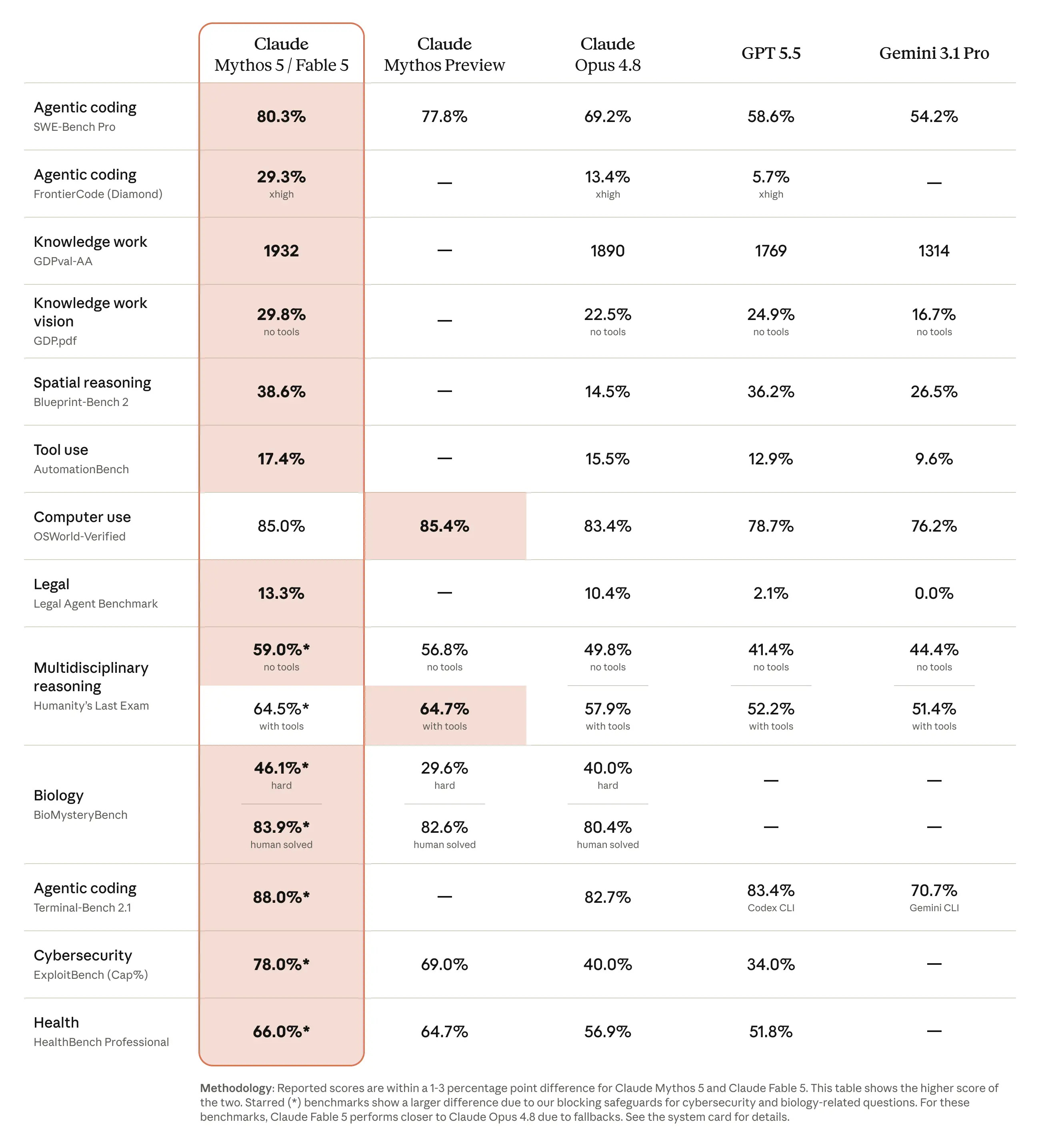
Fable, Mythos and all that: Claude Fable 5 and Claude Mythos 5 Anthropic
Claude Fable 5's reasoning is a clear step beyond Opus 4.8. It works at senior research scientist grade — picking directions, allocating resources, killing its incorrect beliefs, and producing novel first-principles outputs.
Claude Fable autonomously engineering its own debugging infrastructure.: Claude Fable is relentlessly proactive

The initial silent capability throttling caused quite a stir:
It's about who gets to decide, and whether you ever find out when they do. Fable won't fall back to a different model and tell you. It just limits the output through prompt modification, steering vectors, or PEFT. You won't be told when it happens to you.
AI is licensed now, but the requirements change constantly and are always a secret, even to the administration itself, which will discover the rules spontaneously in real time as it reacts to events. This means also that the rules are in practice stricter and more roughly enforced for organizations the administration does not like.
Top security experts are calling for the end of export controls to help defenders match adversarial speed.: Open Letter on Transparent AI Cyber Protections
To pull the best capabilities away from defenders without a good reason when our adversaries are rapidly advancing is dangerous. ... The justification for this unprecedented action was that Fable provides a unique “uplift” of capabilities beyond other AI models, but AI has been finding bugs and generating working exploits at superhuman levels since last year.
And lots of other updates and improvements for Claud
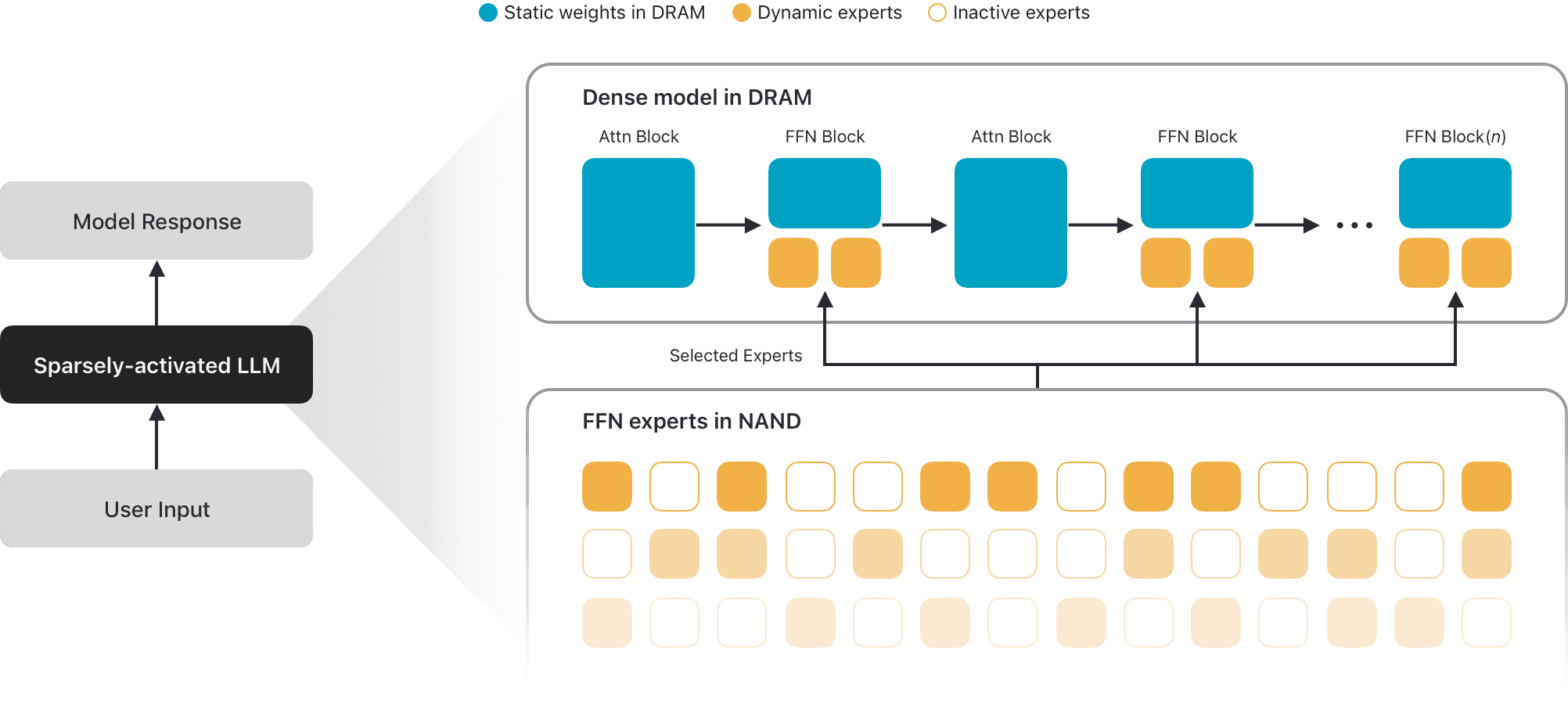
Google & Apple: Local Multimodality and Inference Speed
Gemini 3.5 - Googles attempt to optimise speed, cost and accuracy at the same time: Fluid, natural voice translation with Gemini 3.5 Live Translate
Unlike turn by turn systems that wait for the speaker to finish speaking before responding, 3.5 Live Translate generates speech continuously, balancing the trade-off between waiting for context to improve quality and translating immediately to stay in sync with the speaker.
And lots of small and fast options:
Apple leveraging Google relationships for new models: Introducing the Third Generation of Apple’s Foundation Models
Microsoft, Meta & OpenAI: Strategic Transformations
OpenAI is evolving Codex into a universal workspace engine, democratising app creation for non-technical roles.: Codex for every role, tool, and workflow
Non-developers—including analysts, marketers, operators, designers, researchers, investors, and bankers—make up about 20% of overall Codex users and are growing more than 3x as fast as developers.
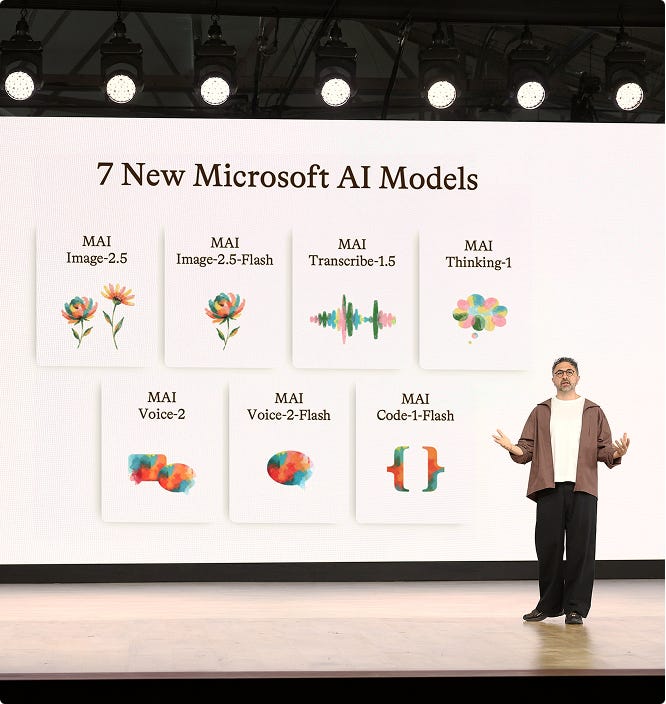
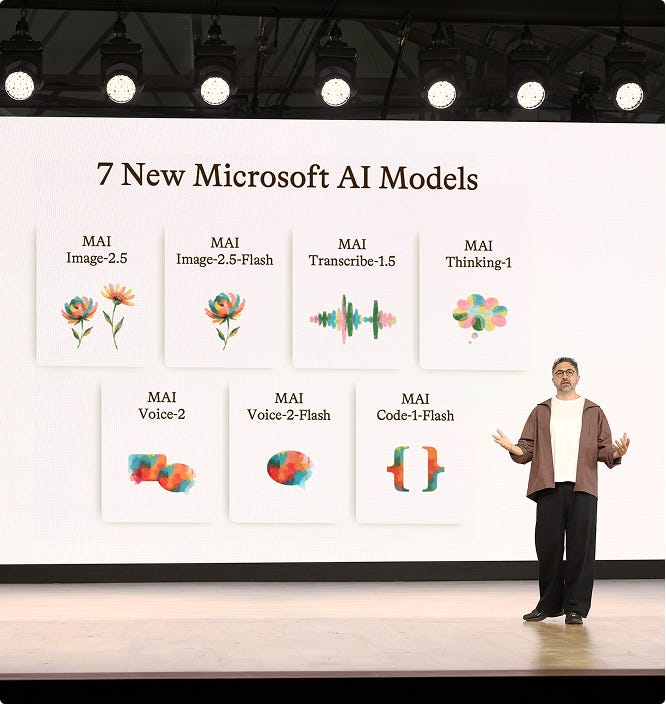
Microsoft is moving toward 'Frontier Tuning,' letting enterprises bake institutional knowledge directly into model weights.: Building a hill-climbing machine: Launching seven new MAI models | Microsoft AI
Meta’s pivot to the secretive TBD Lab signals a tactical retreat from its traditional open-source advocacy.: Inside Meta's attempts to play catch-up with AI - Ars Technica
The very small team where everyone is ‘cracked’ is always going to move faster than the large org where responsibility is distributed.
Chinese Frontier Models: Open Weights and Sparse Architectures
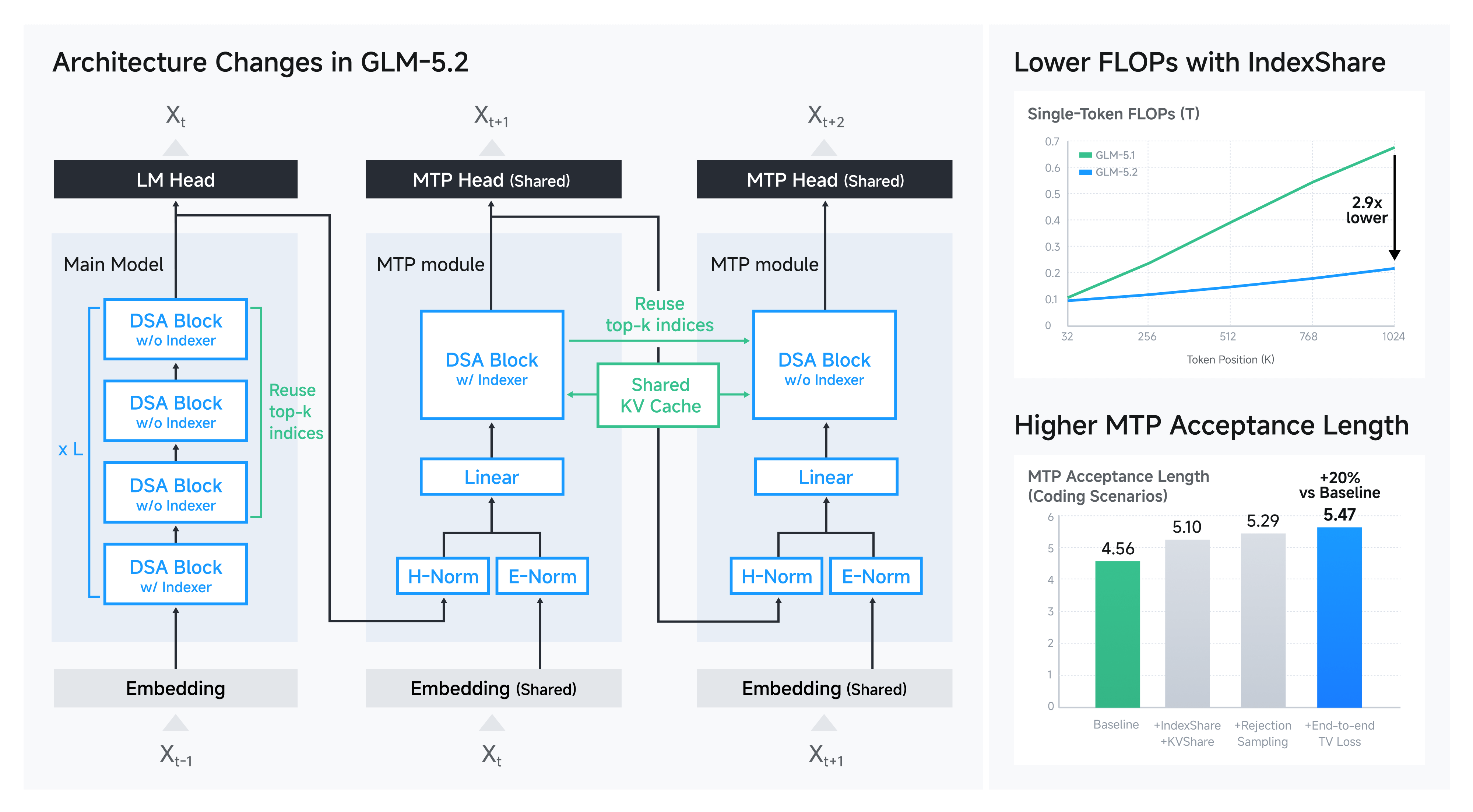
GLM-5.2 sets a formidable new ceiling for open models, successfully narrowing the gap to the absolute frontier:
GLM-5.2 Is The New Best Open Model
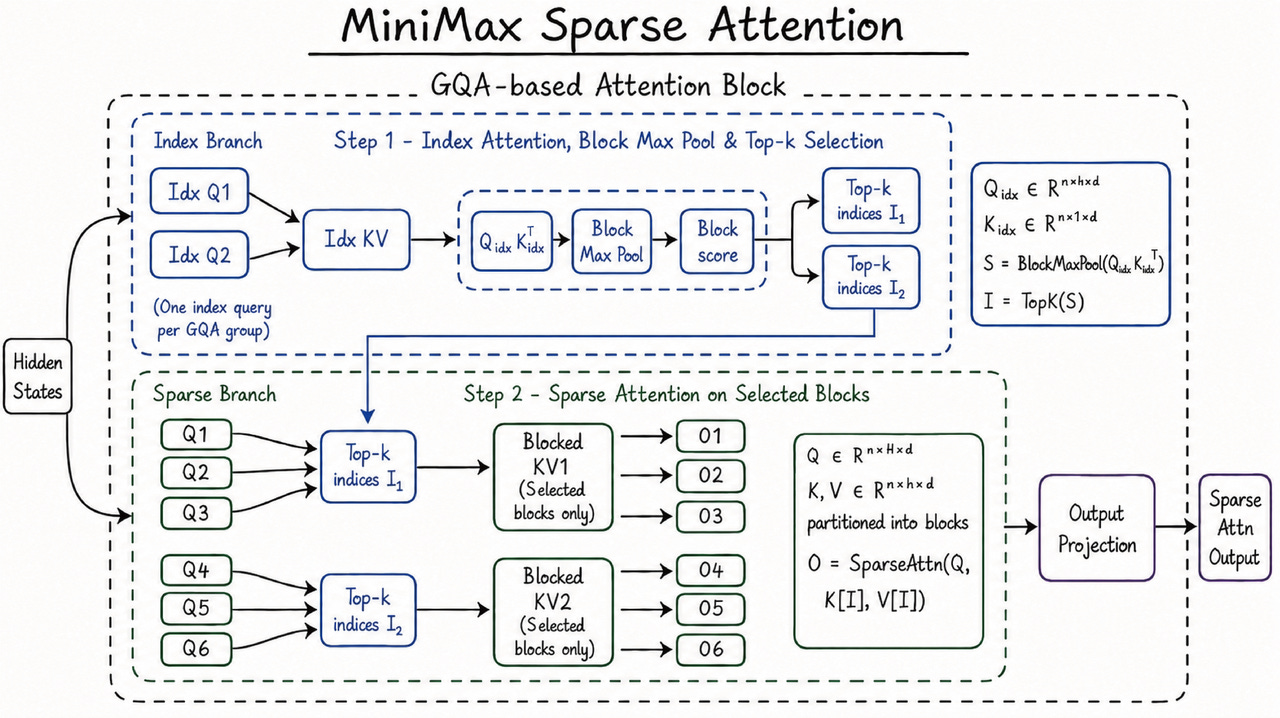
The IndexShare architecture ensures reliability over time with a massive 1-million-token context window.: GLM-5.2: Built for Long-Horizon Tasks
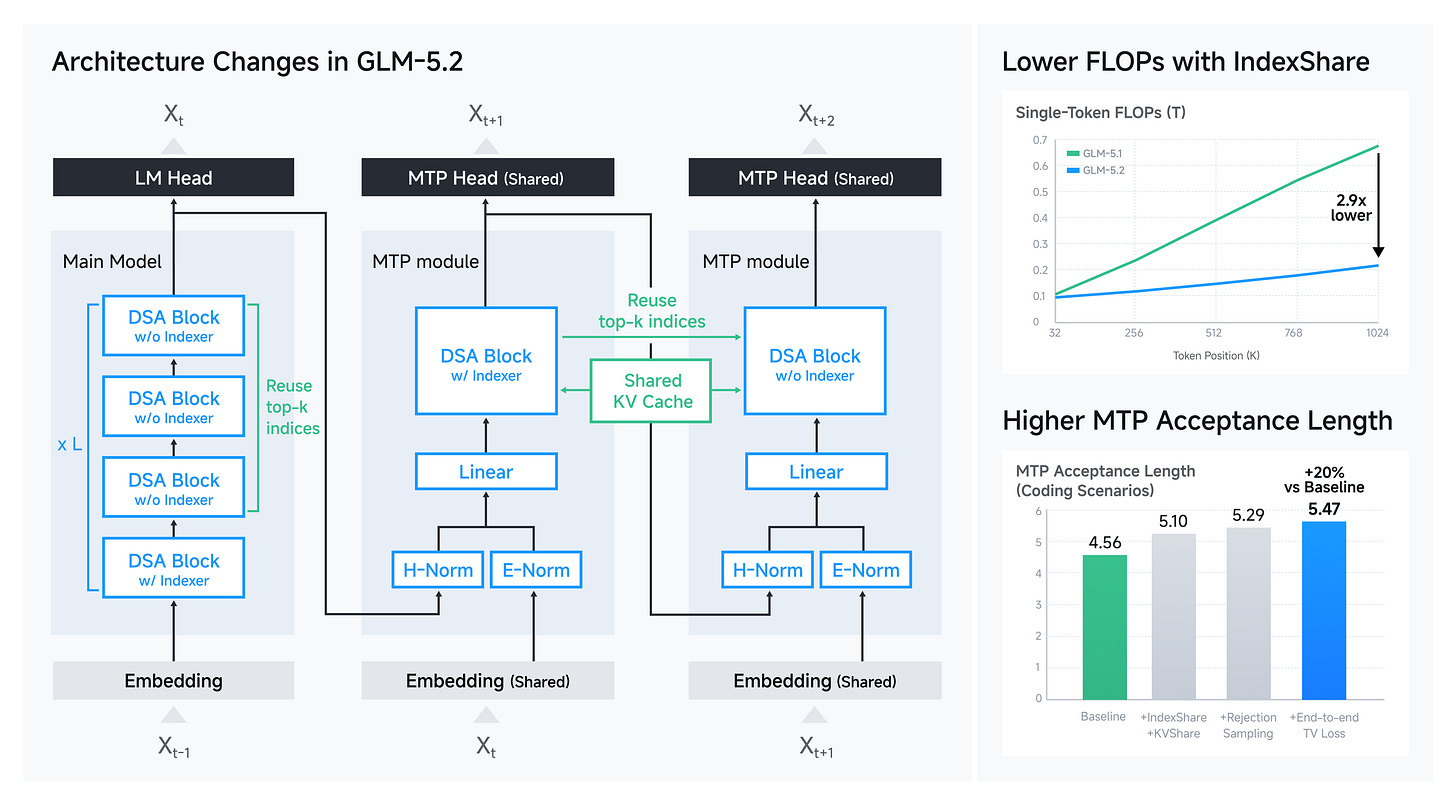
It is arguably the most powerful text-only open weights model available, though it remains notably token-hungry.: GLM-5.2 is probably the most powerful text-only open weights LLM
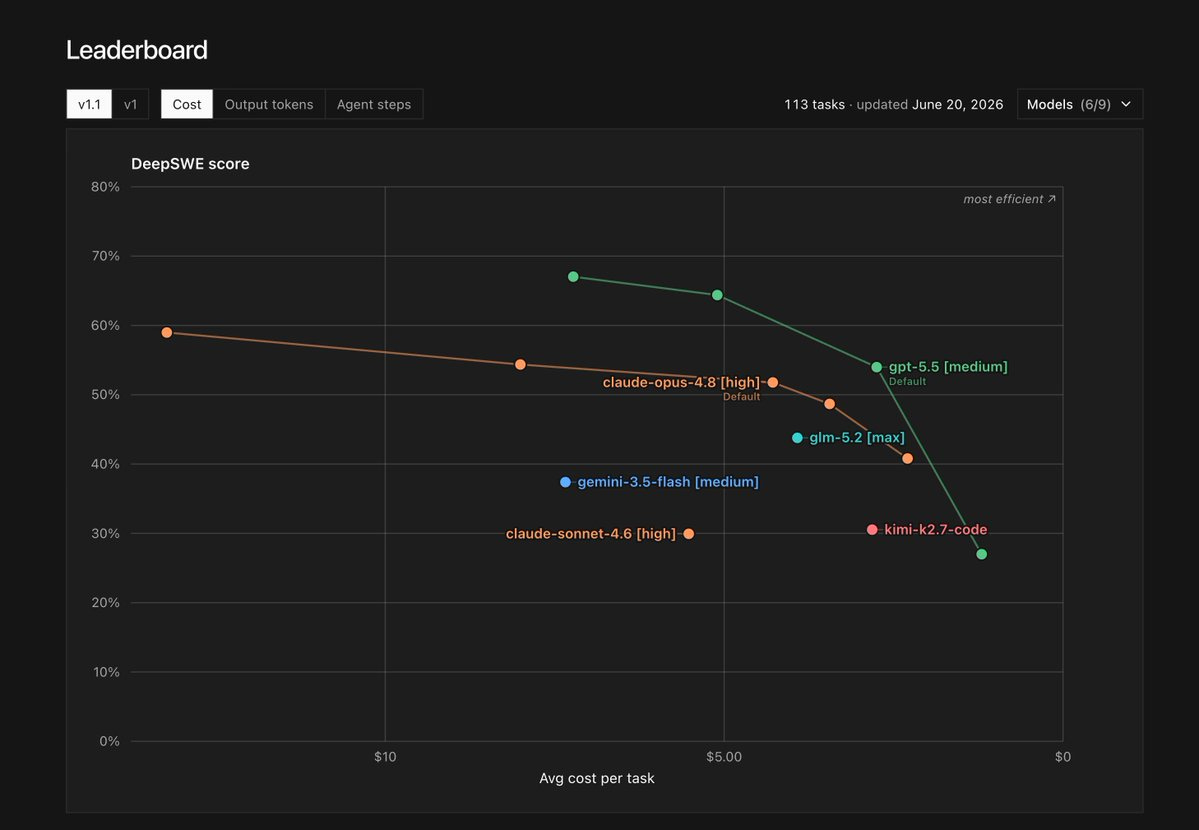
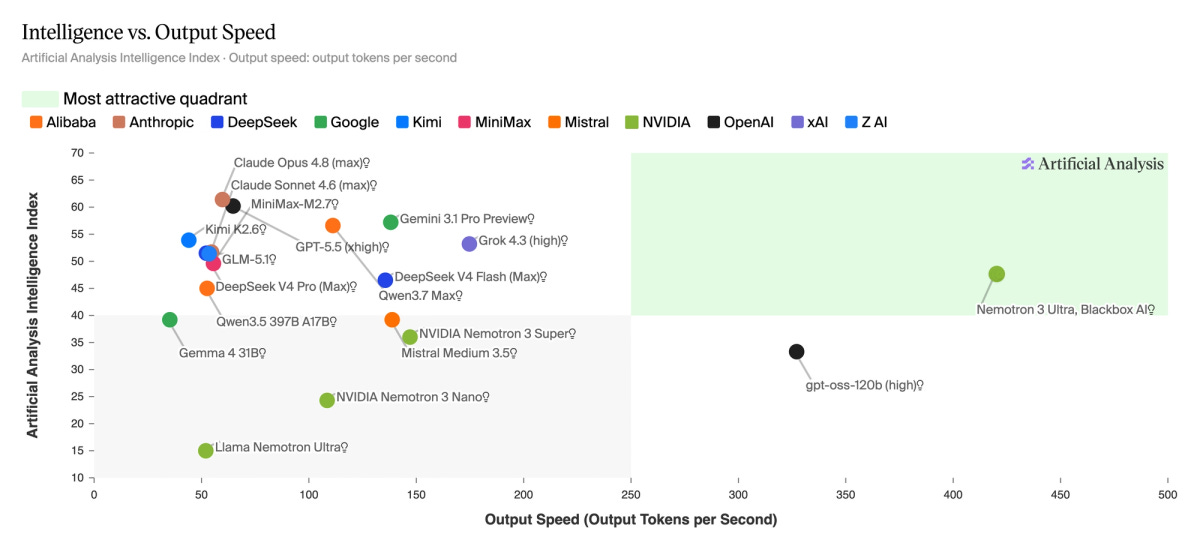
GLM-5.2 is the leading open weights model on the Intelligence Index v4.1. At 51, it leads MiniMax-M3 (44), DeepSeek V4 Pro (max, 44) and Kimi K2.6 (43). . . GLM-5.2 uses more output tokens per task than other leading open weights models: the model uses 43k output tokens per Intelligence Index task, up from GLM-5.1 (26k).
Moonshot’s new MoE model prioritises reasoning efficiency, cutting the token overhead for repository-scale refactoring.: Moonshot AI Releases Kimi K2.7-Code: a Coding Model Reporting +21.8% on Kimi Code Bench v2 Over K2.6 - MarkTechPost
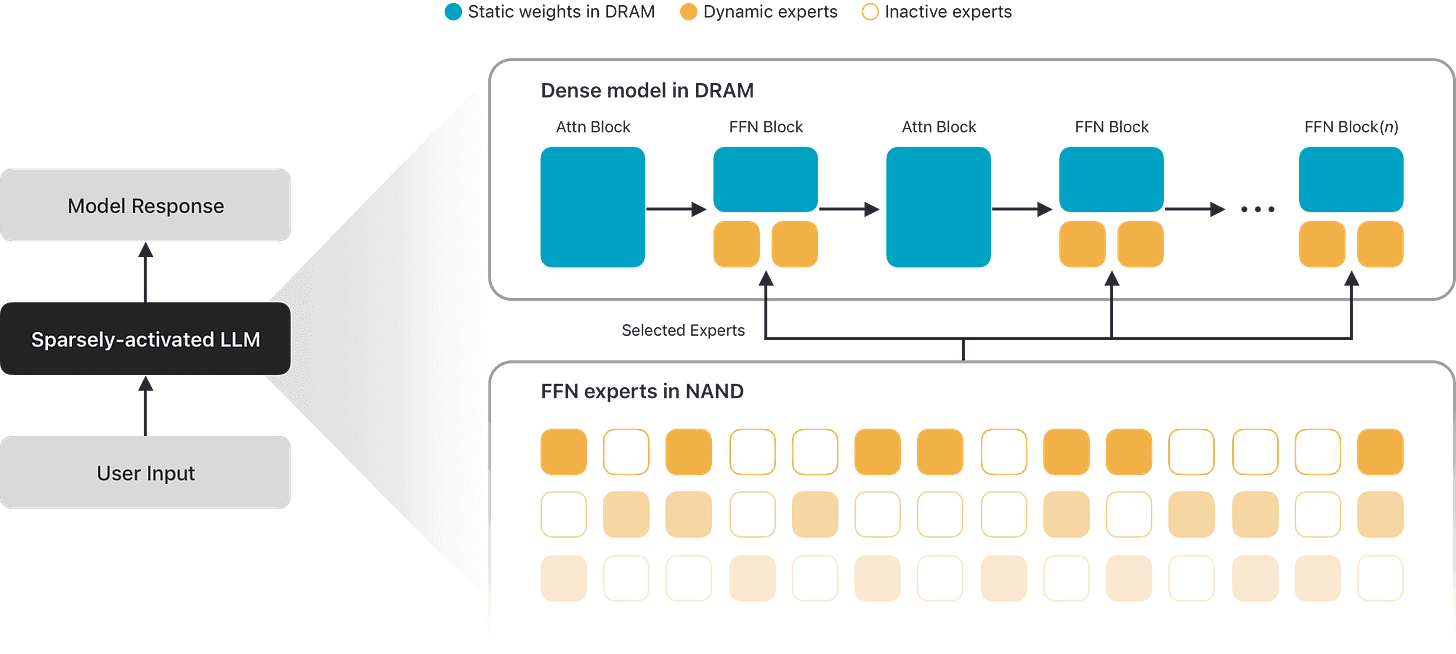
K2.7-Code is a Mixture-of-Experts model. It holds 1T total parameters and activates 32B per token. The design uses 384 experts, with 8 selected per token and 1 shared. It has 61 layers, including 1 dense layer. Attention uses MLA, and the feed-forward path uses SwiGLU. A MoonViT vision encoder adds 400M parameters for image and video input.
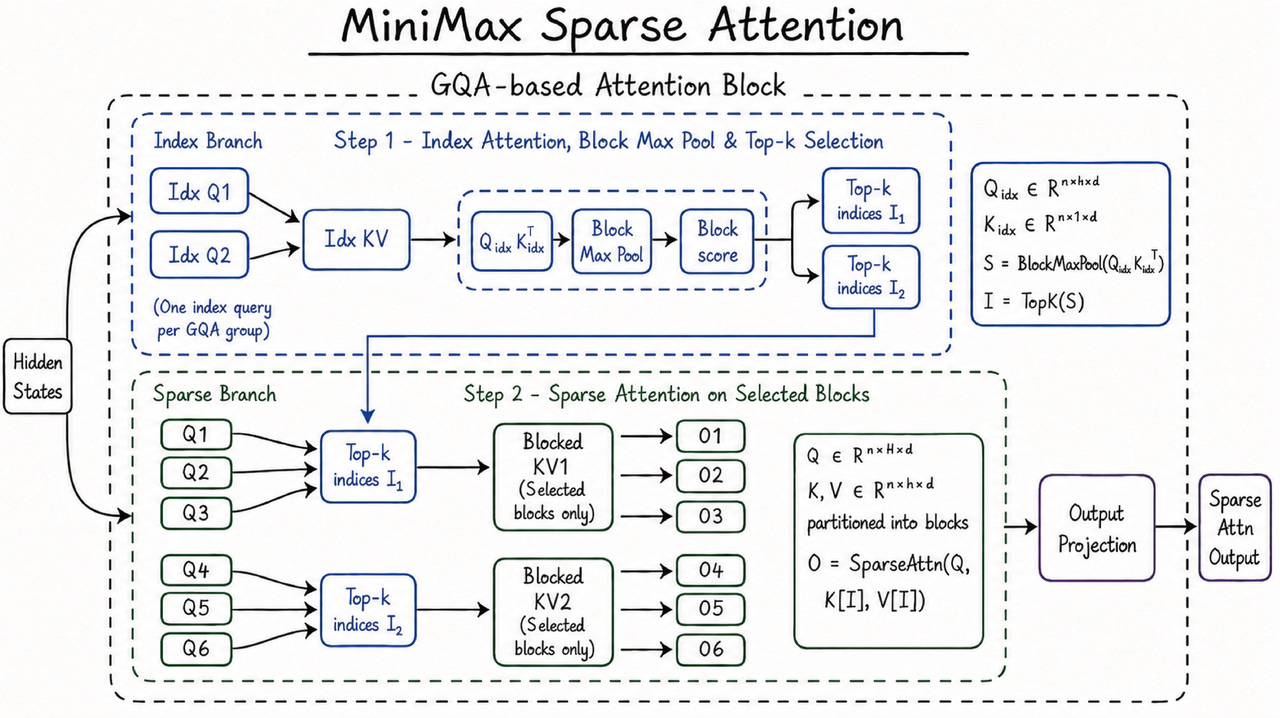
MiniMax M3 packs a million-token context and native multimodality into an efficient open-weight package.: MiniMax M3: Frontier Coding, 1M Context, Native Multimodality — All in One Model - MiniMax Research | MiniMax
Qwen3.7-Plus signals a pivot toward autonomous agency, enabling models to verify and iterate on their own code.: Alibaba's Qwen Team Launches Qwen3.7-Plus, Adding Vision, Deep Reasoning, Tool Invocation, and Autonomous Iteration on the Bailian Platform - MarkTechPost
Self-programming means the model writes and revises its own code. Tool invocation means it calls external functions or APIs. Verification and testing means it runs outputs and checks results. Autonomous iteration means it loops until the task is done. Together, they describe a model built to act, not just answer.
NVIDIA keeps producing good models
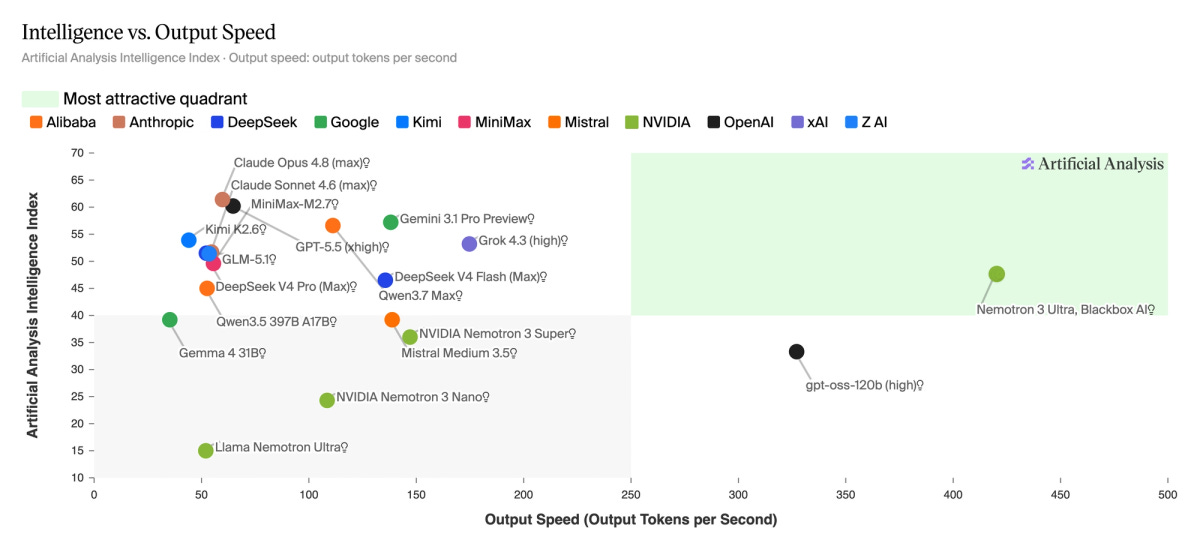
NVIDIA’s massive 550B LatentMoE model bridges the scale gap for high-stakes RAG and complex agentic workflows.: nvidia/NVIDIA-Nemotron-3-Ultra-550B-A55B-NVFP4 · Hugging Face
Clocking in at over 400 tokens per second, Nemotron 3 Ultra delivers frontier intelligence at blistering speeds.: NVIDIA Nemotron 3 Ultra released: fast, intelligent, and open
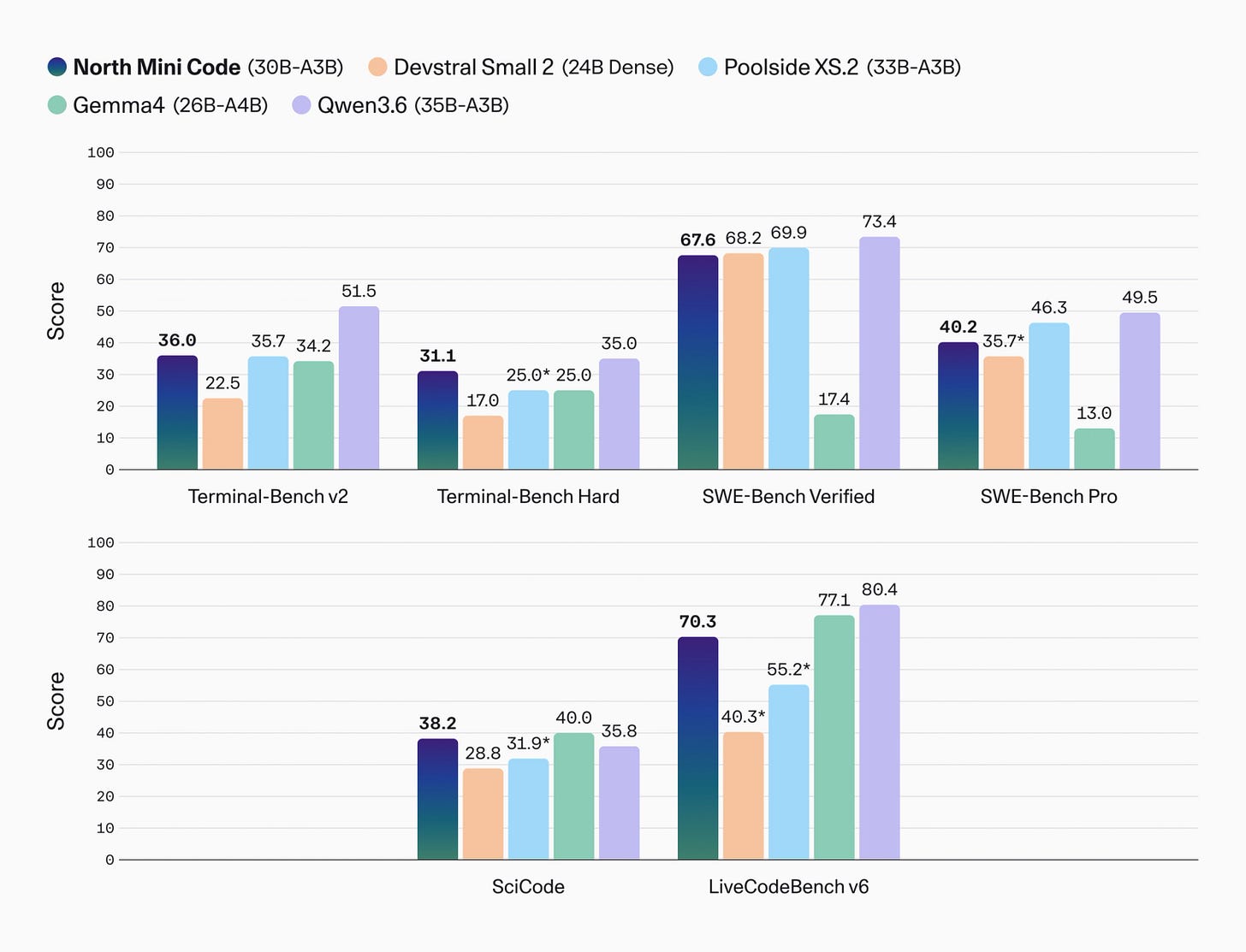
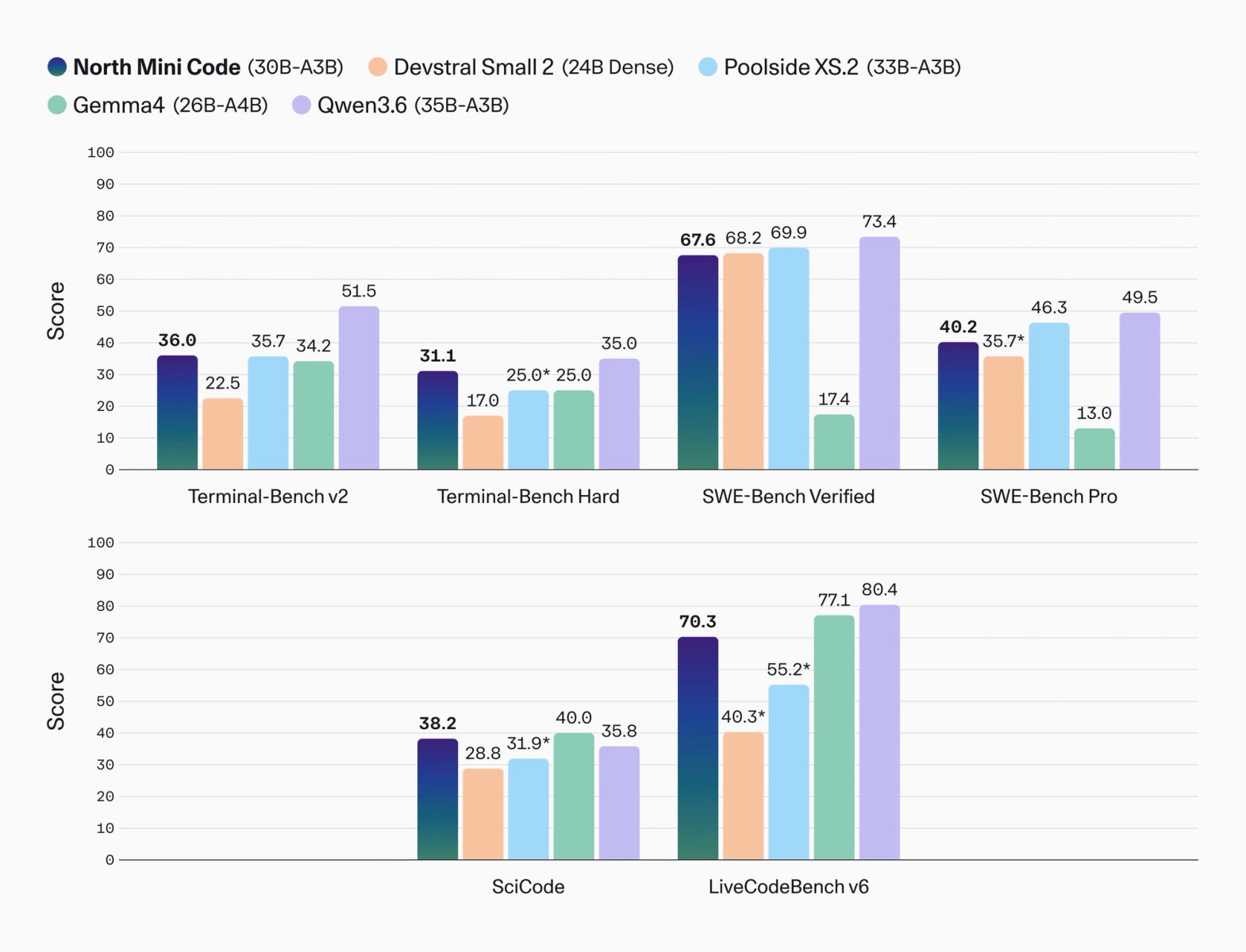
Cohere proves that efficient Mixture-of-Experts can deliver enterprise-grade coding capabilities on modest, local hardware.: North Mini Code: Agentic Coding Model for Developers | Cohere
Benchmarks, Ensembles & Specialised Tools
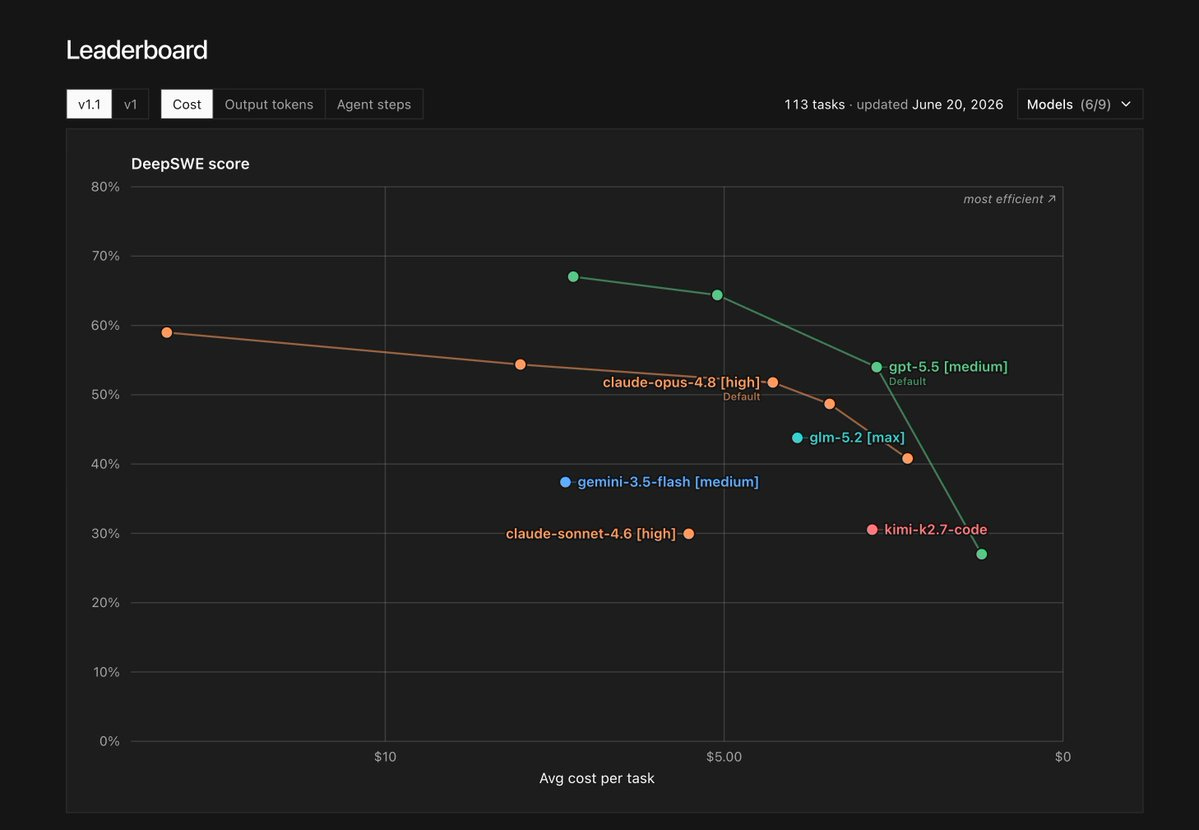
Cognition’s new benchmark reveals that frontier models still struggle with the 'mergeability' required for production codebases.: Introducing FrontierCode | Cognition
What sets FrontierCode apart is the attention to detail. Each task is calibrated to a depth that simply hasn’t been seen before in LLM benchmarking. We should be moving away from benchmarks that can be gamed and instead using ones like FrontierCode to demonstrate genuine model intelligence and creativity.
The next performance leap might come from fusing diverse model panels rather than scaling individual architectures.: Surpassing Frontier Performance with Fusion — OpenRouter Blog
Fable 5 + GPT-5.5 fused together scored 69.0%, surpassing every individual model, including Fable 5 alone at 65.3%. A budget panel (Gemini 3 Flash, Kimi K2.6, and DeepSeek V4 Pro) beat GPT-5.5 and Opus 4.8. It came within 1% of Fable 5’s score while being 50% of the cost.
This tiny 3B model is causing all sorts of debate.: Why Weibo’s tiny VibeThinker-3B has the AI world arguing over benchmarks again
The development of compact models is no longer merely a passive compromise for deployment efficiency or cost control; it emerges as a promising research trajectory that is fundamentally complementary to the traditional parameter scaling paradigm.

Real World Applications
From proteins to planetary safety: Using AI to map and engineer our physical reality
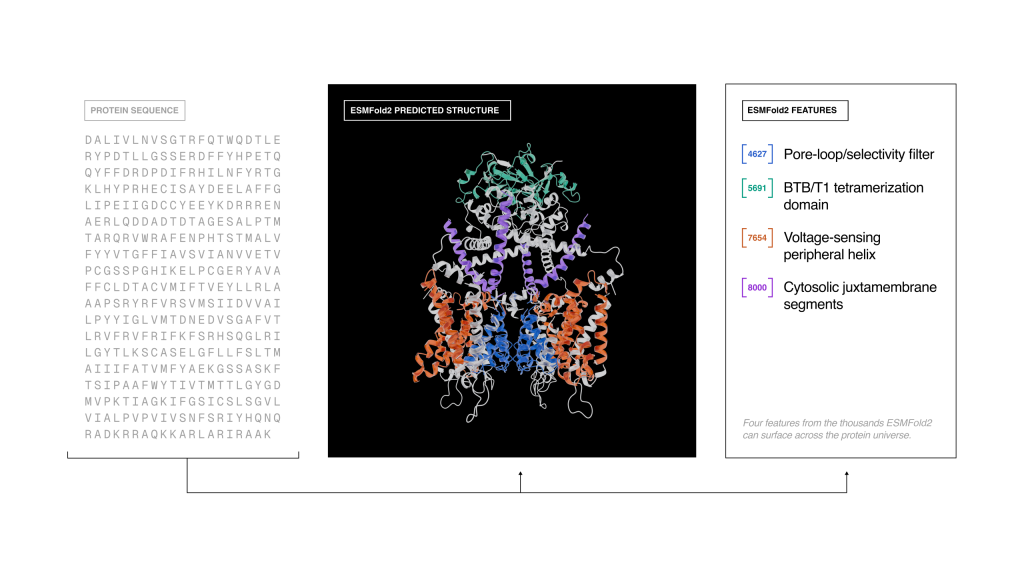
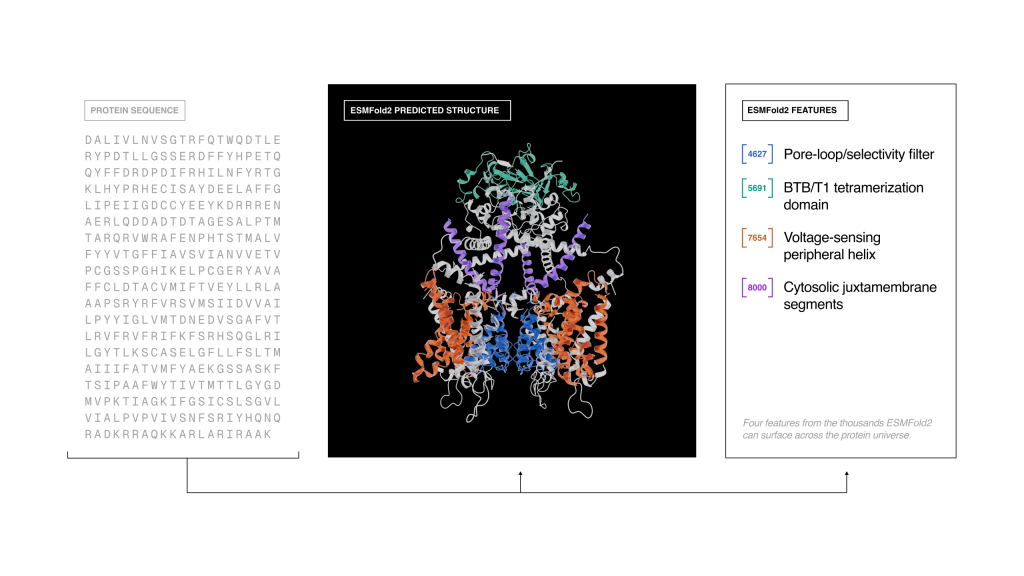
New open-source protein folding models: Biohub releases a world model of protein biology
Designing 'super-antigens' from scratch: 'World-first' vaccine designed by artificial intelligence
These genetic codes were analysed by an artificial intelligence. It then designed a 'super-antigen' that could train the immune system in such a way it gave protection against the whole family of viruses – even if they mutated or a new infection jumped from animals to people.
Helping physicists simulate the complex plasma around event horizons.: How an astrophysicist uses Codex to help simulate black holes
Codex generated many potential approaches—not all of them correct. ‘But that’s okay,’ Chan said. ‘Most scientific ideas fail. What matters is that these algorithms are testable. Once you find one that works, it can potentially unlock simulations that were previously impossible.’
So impressive- turning ubiquitous consumer hardware into a life-saving distributed seismic network.: How Phones Alerted Millions Before Quakes Shook Venezuela
Venezuela does not have a national early warning system of its own, but people with Android phones received alerts from Google’s Earthquake Alerts system, which can pull data from more than two billion phones equipped with built-in accelerometers. The same sensor that detects rotation on the screen can also sense vibrations from seismic waves.
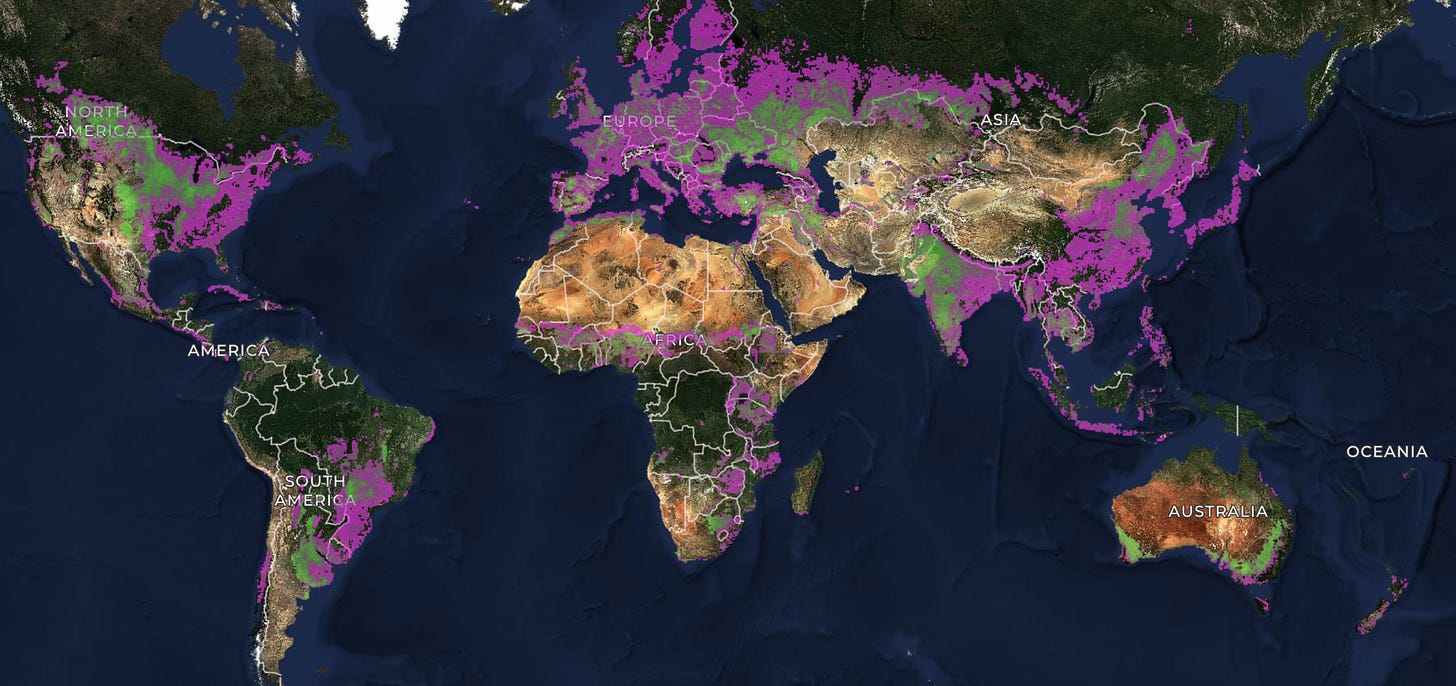
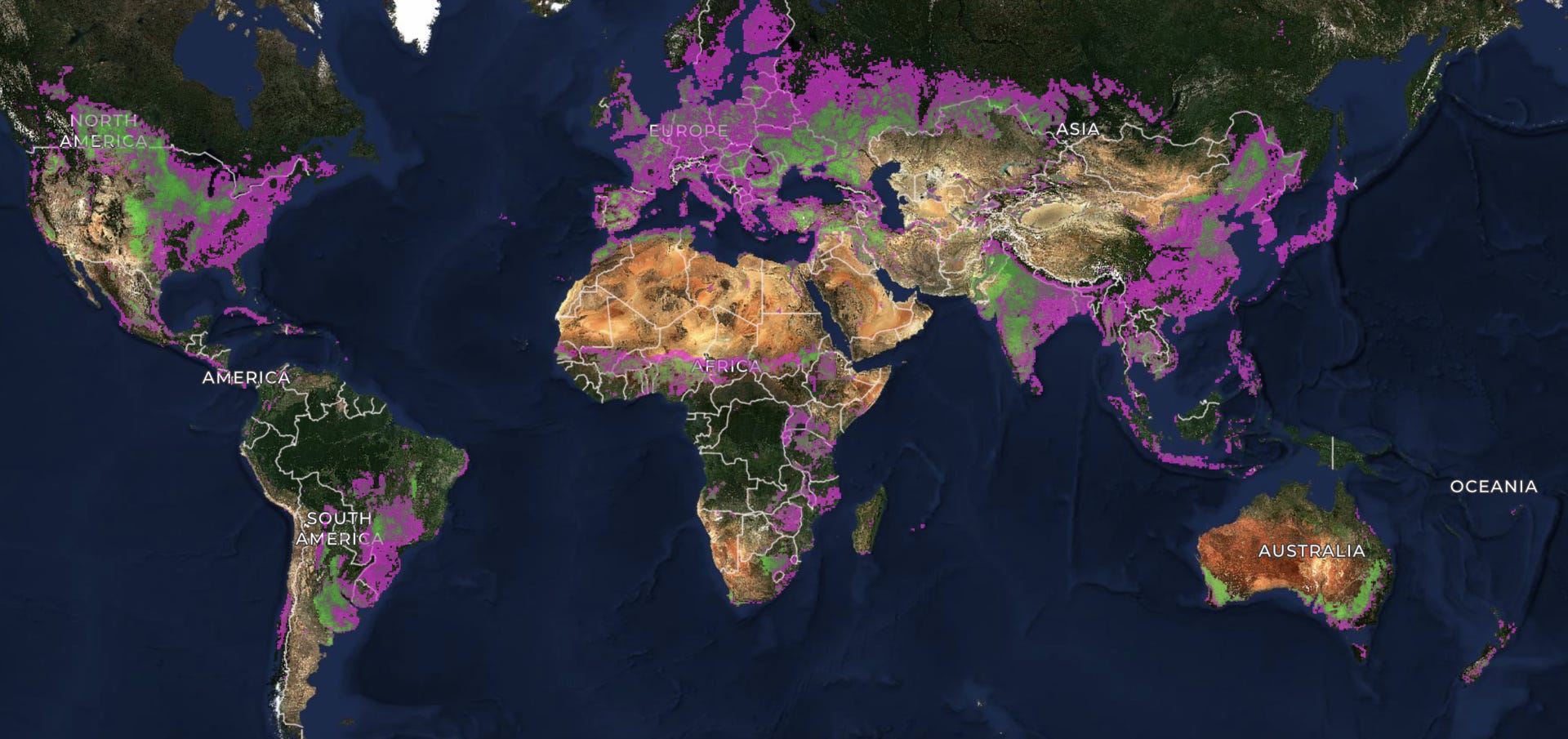
A foundational layer for global food security.: Agricultural Field Boundaries
A fantastic use of real-time computer vision to balance industrial maritime logistics with urgent ecological preservation.: AI-powered whale-spotting tech may help save San Francisco Bay’s gray whales
The new technology combines round-the-clock thermal cameras deployed at different locations in the bay with AI to detect whales that may be as far as 7 kilometers away. Once the whale detection is confirmed by scientists, an alert goes out to warn vessels in the area to slow down or change course to avoid a collision.
Generalists vs specialists
Sakana shows that smart ensembles can beat frontier monoliths.: Sakana Fugu — Multi-agent System as A Model
Sakana Fugu achieves superior performance by dynamically coordinating and orchestrating a diverse pool of powerful models. Instead of using domain knowledge to prescribe team organization, roles, or workflows, Fugu learns to dynamically assemble agents from a pool and coordinate them through non-obvious but highly efficient collaboration patterns.
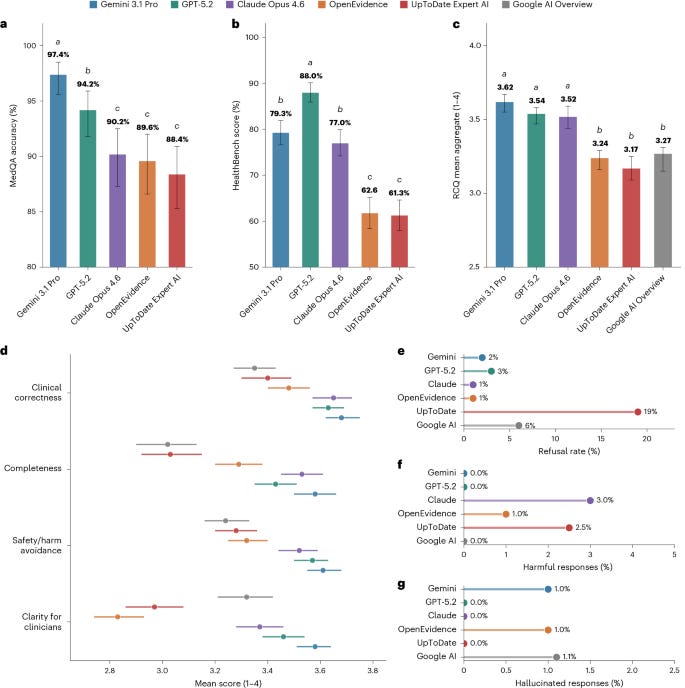
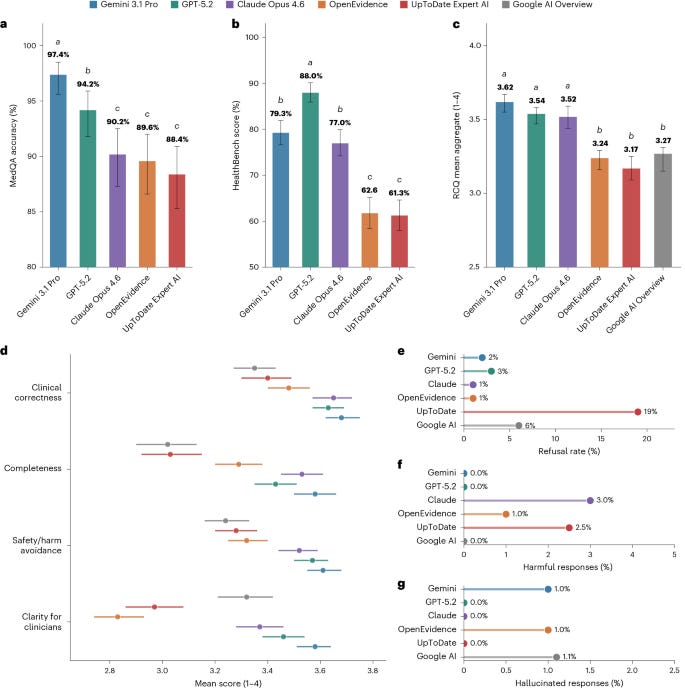
A rigorous new study suggests that general-purpose model scale is now more critical for medical competency than specialised tuning.: General-purpose large language models outperform specialized clinical AI tools on medical benchmarks
Anthropic has shown that Claude can outperform specialist software in NMR spectral prediction.: Making Claude a chemist Anthropic
Ultimately, we found that for routine data prediction Opus 4.7—a general-purpose model without chemistry-specific fine-tuning—is now as good as or better than ChemDraw and MestReNova on average. Additionally, Claude can also work the problem in reverse, proposing a structure from NMR data alone.
Practical tips
Beyond the search bar – using AI as a sophisticated reasoning sandbox and professional critic
Landing a role at a top AI lab requires treating the interview itself as a distinct engineering project.: ML Job Interviews: The Ultimate Guide – Silvia Sapora
I know extremely impressive researchers who were rejected in interviews simply because they didn't prepare. Working with ML day in and day out is not the same as being ready to implement attention from scratch, derive the backward pass, or code flash attention. Allocate at least a month of regular study time.
There is no longer an excuse for sloppy research manuscripts when LLMs act as world-class technical critics.: Why Academics Should Use AI for Writing: A Case Study
The quality and quantity of ChatGPT’s feedback left me stunned. I had no idea that I could make so many blatant mistakes. This sobering experience leads me to believe that academic authors can generally improve their manuscripts tremendously by asking an LLM for paragraph-by-paragraph feedback.
Critiquing survey methodology.: AI and Survey Sampling Problems — Sharon Lohr
Students need to know how to select, analyze, and critique samples themselves to be able to distinguish Gemini’s helpful answers from the nonsense. But Gemini could help develop students’ understanding of the subject during in-class activities. It can find examples of survey datasets with various characteristics, can write code for graphing or analyzing survey data, and its critiques can spur class discussion.
Architecting the agentic loop – building robust harnesses
Andrew Ng's take on an open harness- worth experimenting with: OpenCoworker
OpenCoworker is a desktop AI agent that can not only chat, but also do deep research and carry out tasks for you on your computer. It can read files (with permission) to gain context, read/send messages (slack, email, etc.), and create real deliverables like PDF reports, documents, spreadsheets. It also supports scheduled automations, such as providing you a daily news summary.
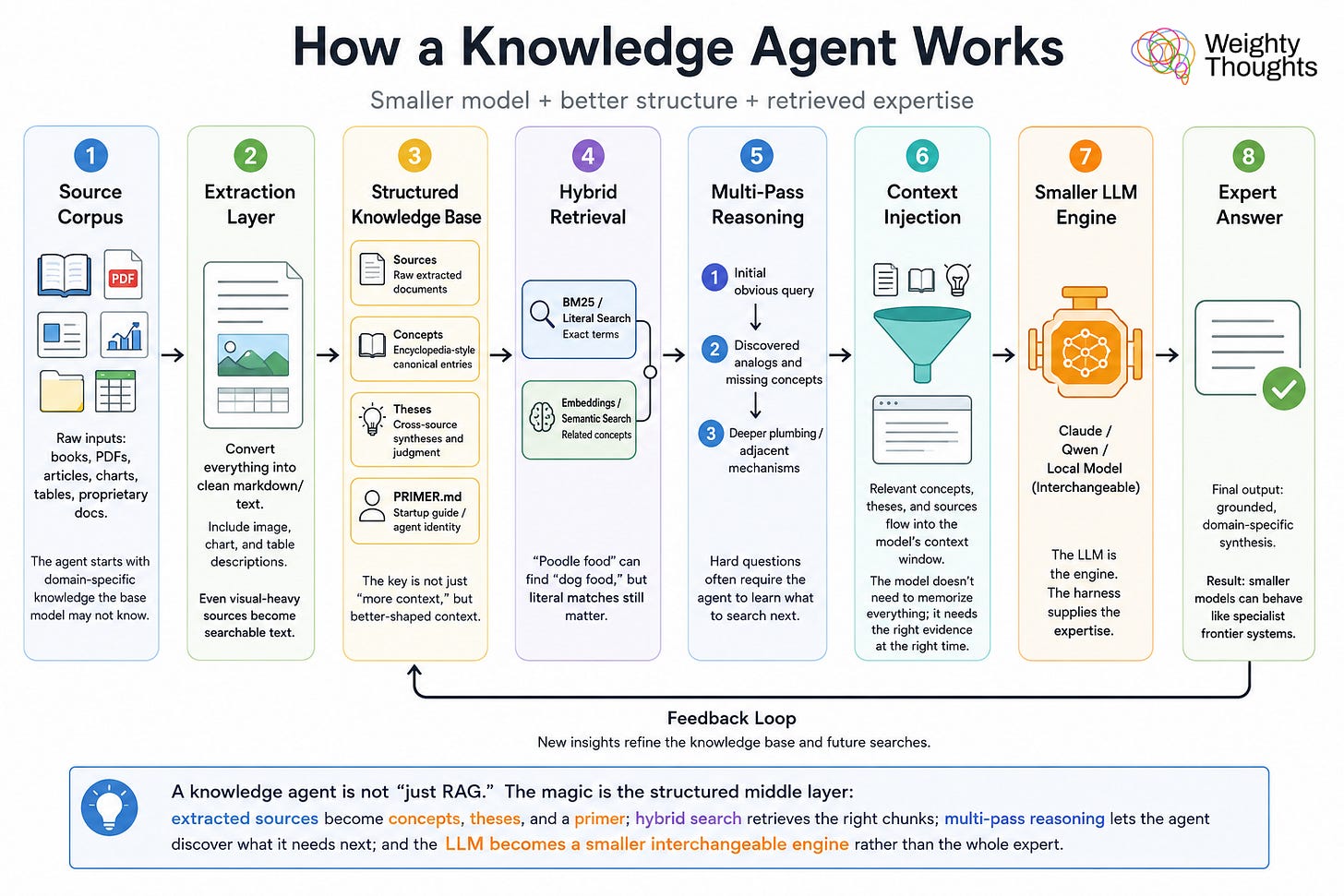
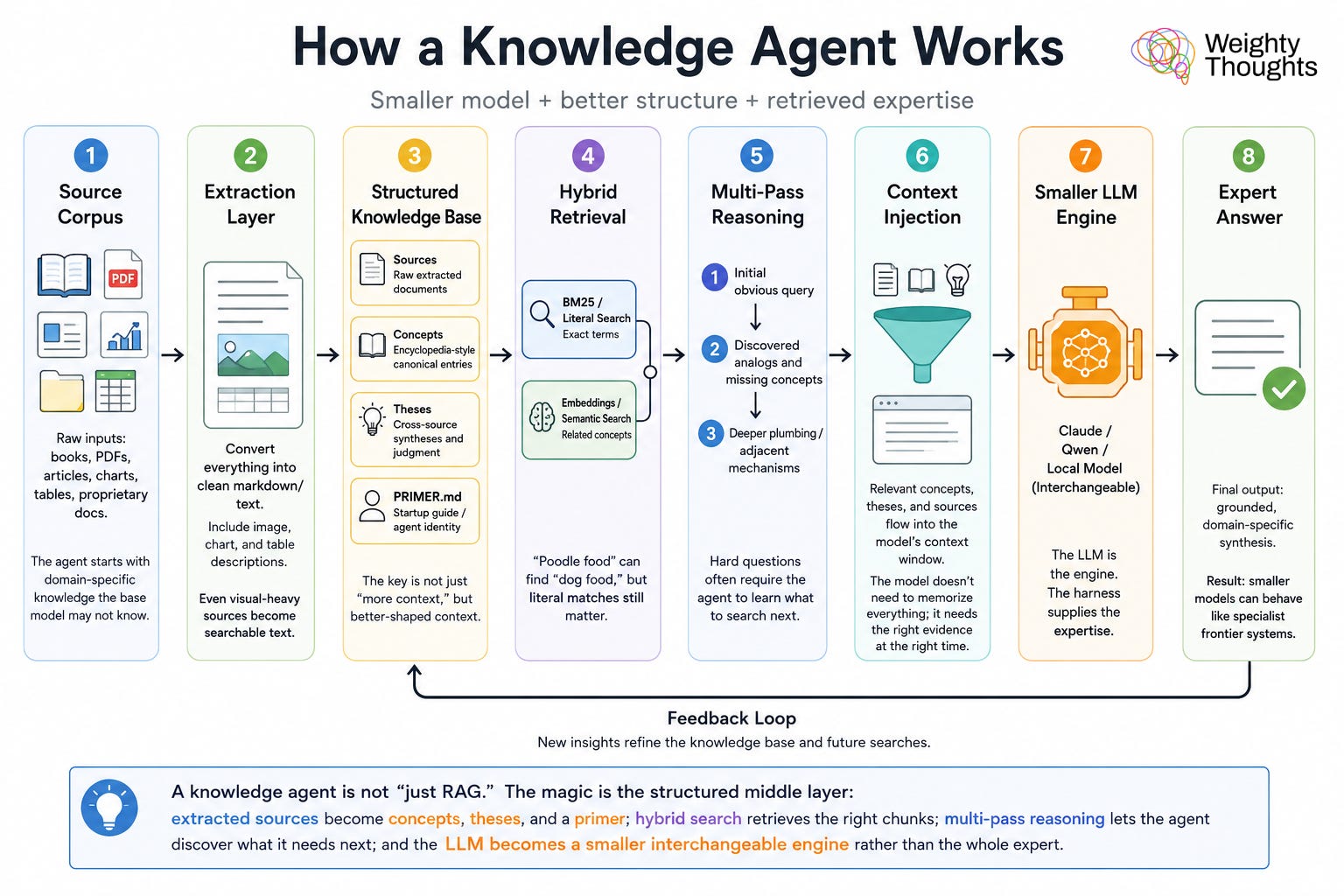
Smaller, local models can outmatch frontier giants if you prioritise structured knowledge architecture over raw model scale.: Knowledge Agents: Beat Frontier Models with Better Structure
Bridging the gap between semantic reasoning and real-time physical action: An Overview of Modern AI Robotics from First Principles | Interlatent Blog
While a language model can take three seconds to think about its next token and no one is harmed, a robot pouring coffee cannot. The cup is already moving and the actions must be generated mid-event. The function doesn't just have to be correct, it has to be fast enough that correctness still matters by the time the answer arrives.
Understand the inner mechanics of state-of-the-art diffusion transformers through this transparent implementation.: purohit10saurabh/minFLUX: A hackable implementation of FLUX diffusion models
A simplified educational PyTorch implementation of FLUX.1 and FLUX.2 diffusion transformers (DiT) by Black Forest Labs. Built for understanding rectified flow matching, joint attention, and the key design choices behind FLUX with verifiable line-by-line source mappings to the official codebases.
Statistically sound foundations
Lessons from the front line (from our very own Martin Goodson): Developing a high performance machine learning algorithm
Unfortunately, far from being simple, the research project turned into a mess of complexity. At every turn, our technical approach seemed to be the wrong one. More than once, team-members told me that what we were trying to do was impossible. But the journey was rich with hard-won lessons, which I want to share with you here.
Understanding Meta's JEPA through 90-year-old foundations in classical canonical correlation analysis.: The 90-year-old idea behind JEPA models: Canonical Correlation Analysis (CCA) – Shon Czinner’s Blog
Ultimately, these models all have the same objective function introduced by CCA: find the transformations that result in maximal correlation between sets of multidimensional data.
Detecting model drift becomes significantly more robust when using a symmetric and stable diagnostic like Jensen-Shannon divergence.: Jensen-Shannon Divergence | Josh Lospinoso
Jensen-Shannon divergence is useful when two discrete or binned distributions need a bounded, symmetric discrepancy score. It appears in train/test drift, topic or category mix monitoring, histogram comparison, token checks, and cohort composition review. If ignored, two groups can have similar averages while allocating probability mass to different bins.
Handle imprecise spatial measurements by treating coordinates as latent variables within a rigorous Bayesian Gaussian Process framework.: Don't know where your data is from? Bayesian modeling for unknown coordinates | Christopher Krapu
Spatial location error changes the covariance and prediction problem itself... Bayesian modeling with appropriate priors lets us modify and change nearly any part of the model, given that we have some idea of how to represent our assumptions as part of the model process. Then, we use Monte Carlo methods to turn the inference crank and obtain reliable parameter estimates.
Refining the machine
Finding optimal tokenisation approaches with linear programming: Finding Optimal Tokenizers
In this formulation, there's a “color” variable for each possible vocabulary entry. In particular, we create one color variable for every unique substring of the dataset. A color variable is 1 if the corresponding byte sequence is in the vocabulary, or 0 otherwise. We add a single constraint to force the sum of color variables to equal the target vocabulary size.
A useful primer on post-training reasoning data: A Primer in Post-Training Reasoning Data: What We Know About How It Works
Post-training has become a primary driver of recent progress in large reasoning models, and reasoning data are often the key variable determining whether this stage succeeds. Work on post-training reasoning data has grown rapidly, yet this literature remains scattered across dataset papers, reinforcement-learning recipes, reward-model studies, benchmarks, and frontier system reports.
Engineering and Infrastructure
How to Engineer with Agents
Managing Agentic Engineering teams: Running an AI-native engineering org | Claude
On the Claude Code team, writing code, writing tests, and refactoring rarely slows us down anymore. But the bottlenecks didn’t go away when agentic coding took away the actual need to type code. Verification, code review, and security took their place.
Codifying tribal knowledge so agents do not have to guess your business rules.: Beyond the Semantic Layer: Building a Context Layer for the Agentic Era | Kaelio
A human analyst and an AI agent read the same warehouse differently. The human fills gaps with context, intuition, and a quick question to a colleague. The agent only knows what the context makes explicit, so modeling for agents means writing the implicit down.
A pragmatic guide to building resilient data systems by prioritising 'boring' patterns like full loads over premature complexity.: How to Build a Simple, Bulletproof Data Pipeline

Useful things to try
Local LLMs have reached a genuine performance threshold, becoming viable, privacy-preserving tools for the modern developer's daily toolkit.: Running local models is good now
But with the most recent releases from Google in the Gemma 4, family, I’ve finally been able to do agentic coding locally and have loops work at about ~75% the accuracy/speed of frontier models, which is incredible.
Fluree DB treats data as an immutable, branchable asset, providing a sophisticated memory layer for autonomous agent workflows.: fluree/db: Fluree database library
Every transaction is immutable. Query data as it existed at any point in time — by transaction number, ISO-8601 timestamp, or content-addressed commit ID. No special tables, no slowly-changing dimensions. It's built into the storage model.
Transitioning ML to production necessitates a rigorous focus on the physical hardware constraints of memory bandwidth and interconnects.: A Hitchhiker’s Guide to ML Training Infrastructure | CMU Software Engineering Institute
While a single math operation will run faster on a CPU than on a GPU, a large number of operations will run faster on a GPU. Metaphorically speaking, a CPU is a Formula 1 racer, and a GPU is a school bus. On a single run moving a person from A to B, the CPU is better, but if the goal is to move 30 people, the GPU can do it in one run while the CPU must take multiple trips.
Generate professional ER diagrams from SQL entirely within your browser.: SQL to ER Diagram — Free Online ERD Generator from SQL
SQL to ER Diagram is a free, open-source tool that converts a SQL schema into a diagram — an interactive entity-relationship diagram (ERD) — right in your browser. Paste your CREATE TABLE statements or raw DDL and instantly visualize tables, columns, primary keys, foreign keys and relationships.

Bigger Picture Ideas
Fable/Mythos the game changer?
Claude Fable 5 and new safety fables - Nathan Lambert
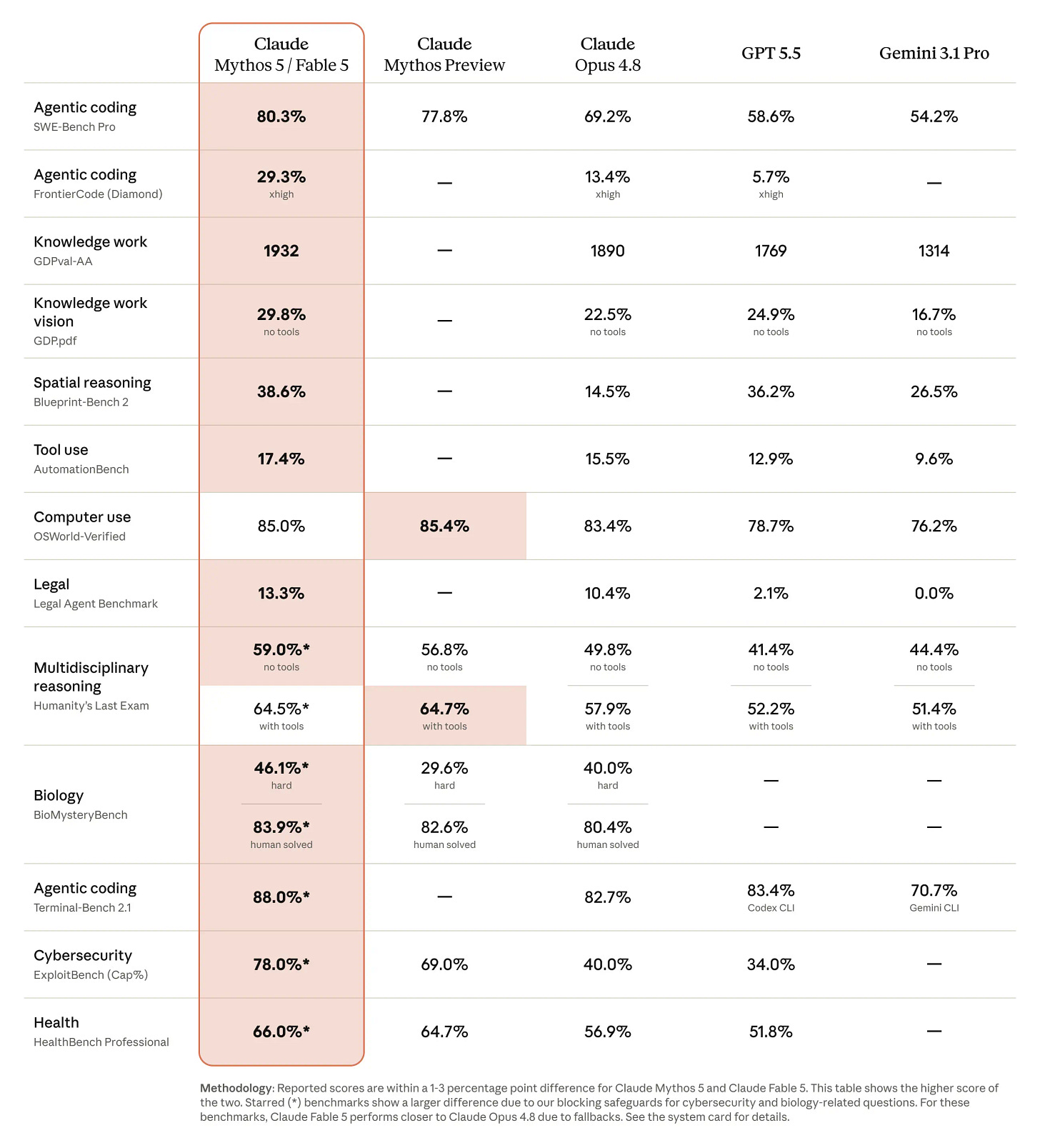
What it feels like to work with Mythos - Ethan Mollick
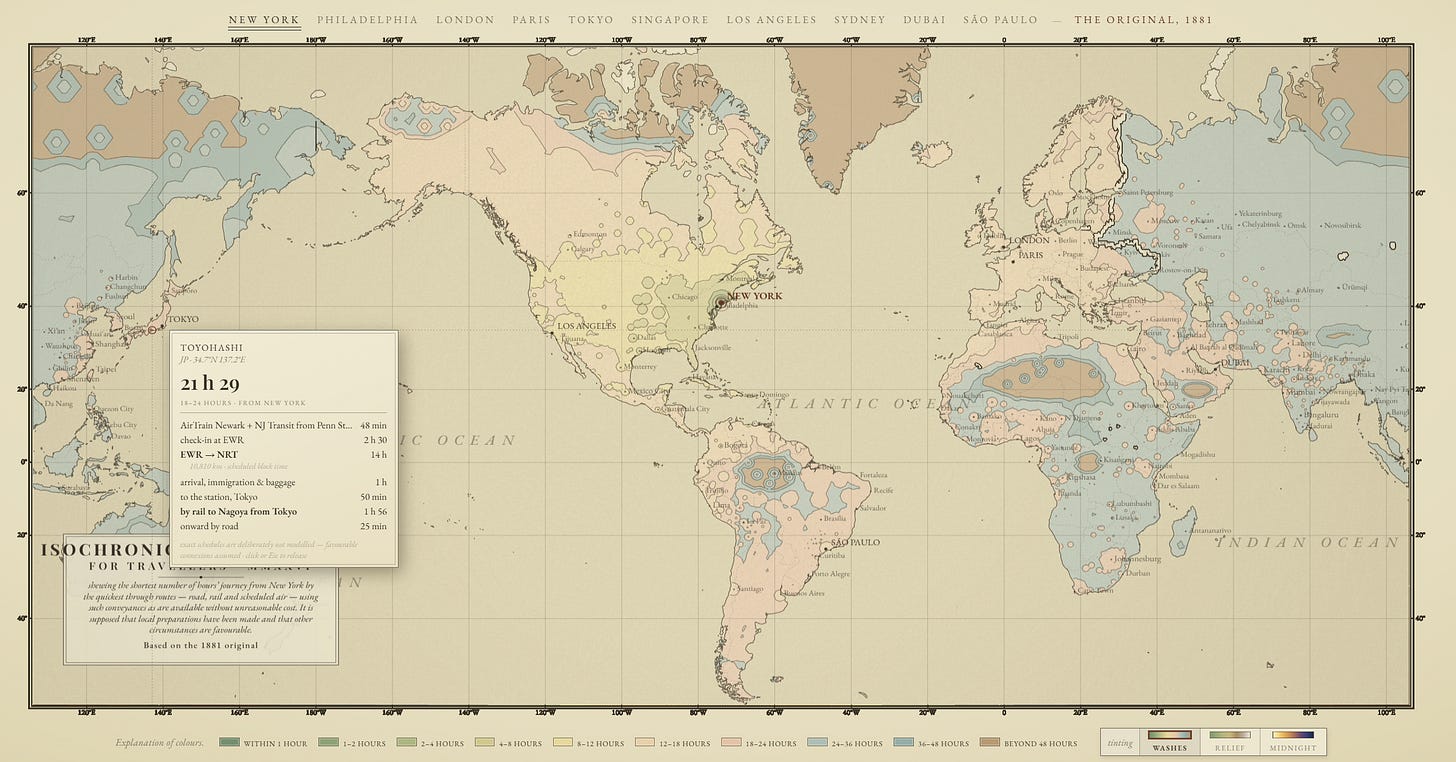
How Sam (OpenAI) and Dario (Anthropic) see the world
Built to benefit everyone: our plan - Sam Altman and Jakub Pachocki
We believe that AI doing AI research will become the determining factor of the pace of progress within the next few years. That matters because alignment is itself a hard research problem. To make fast and deep progress, our researchers will need AI systems that can help test ideas, find mistakes, explore alternatives, and iterate alongside us.
Dario Amodei — Policy on the AI Exponential - Dario Amodei
Frontier AI models, like airplanes, should be required to go through technical testing and auditing, and their release should be blocked or reversed as a threat to public safety if they do not meet high standards of safety. I am grateful to see the Trump administration’s Executive Order move incrementally towards a greater role for government in AI, though Anthropic’s proposal recommends even further action.
Food for thought
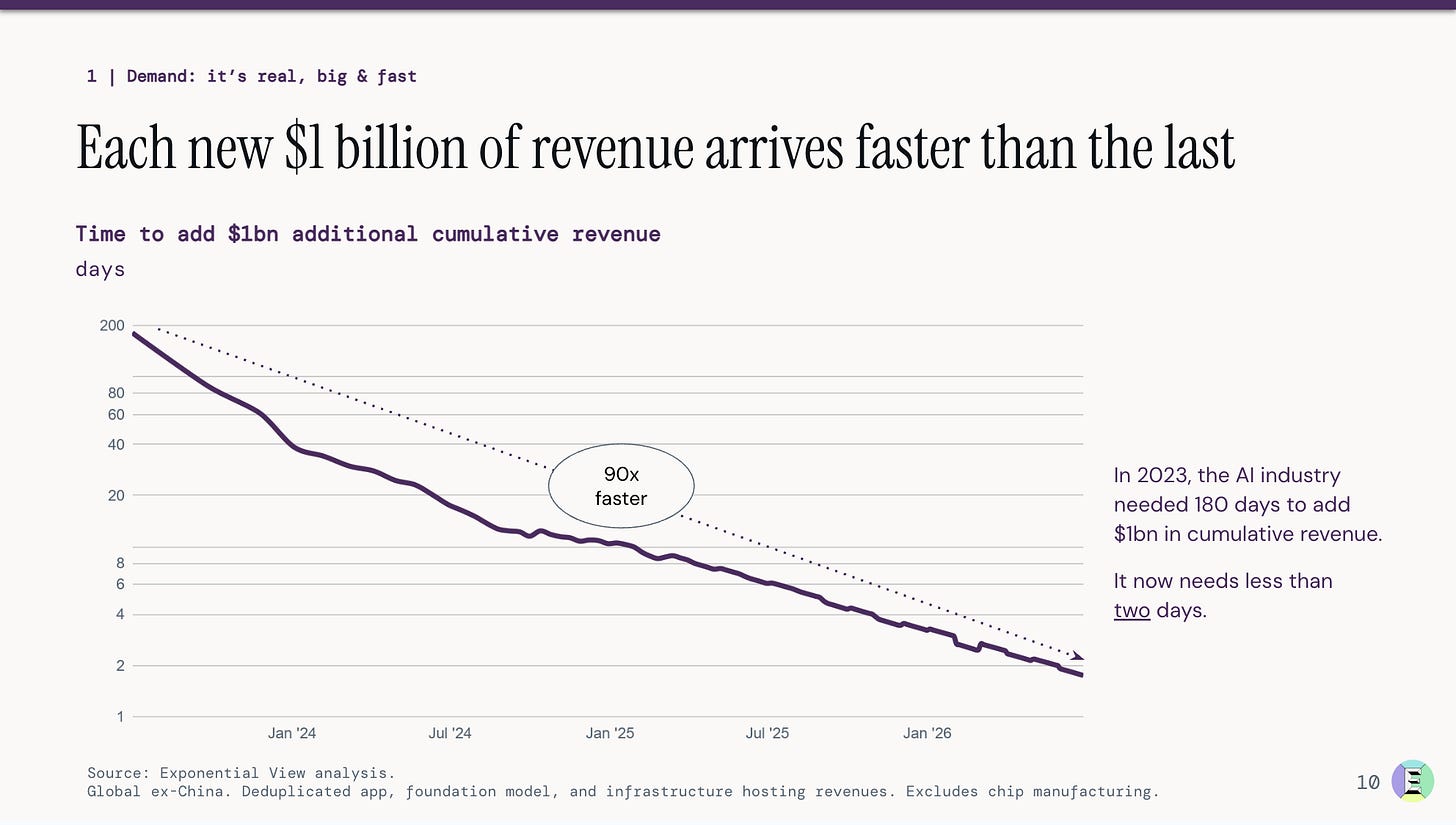
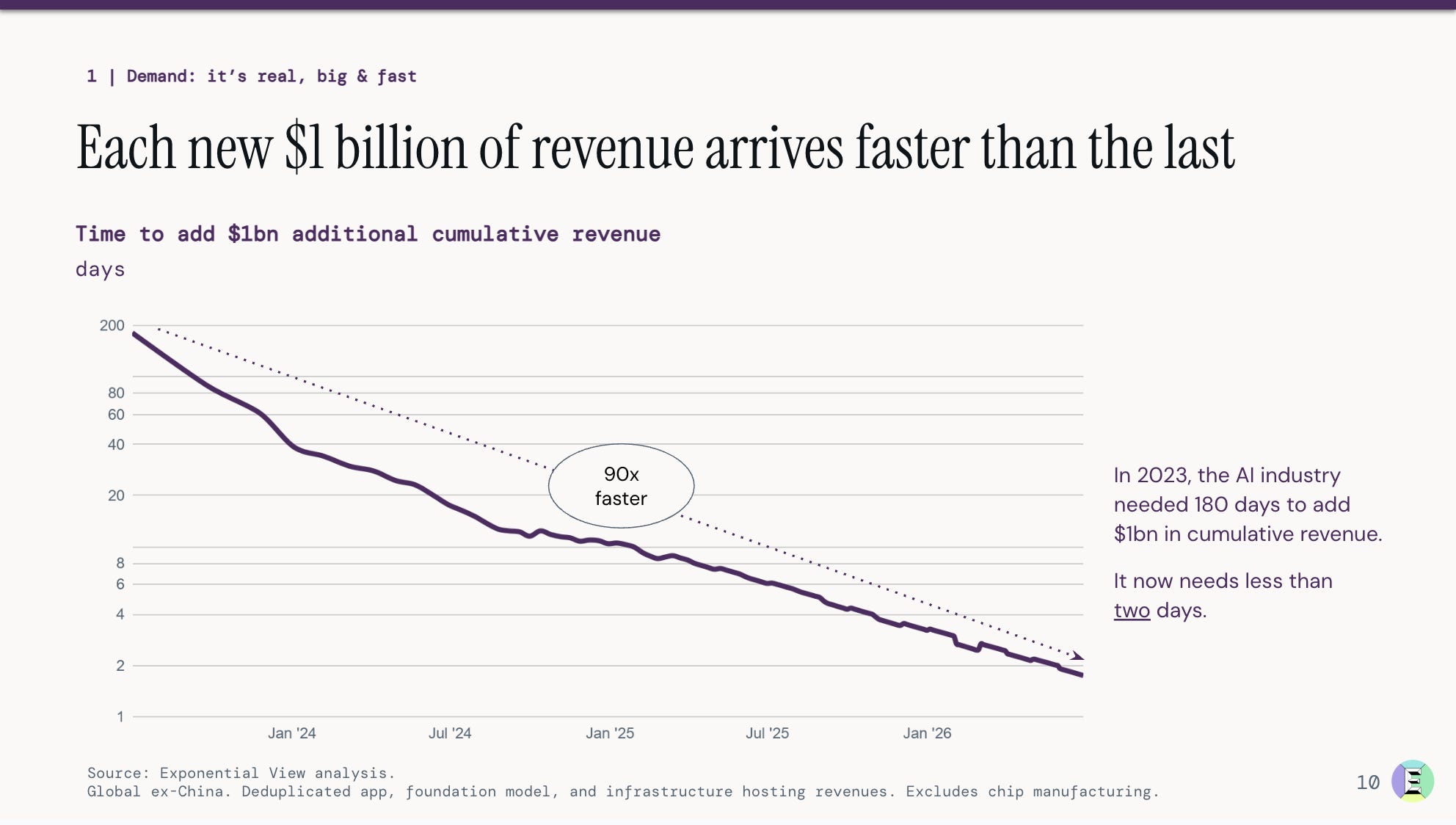
The state of the AI economy - Azeem Azhar, William Gildea, and Nathan Warren
AI for Bio has a Fuzzy API problem - Ankit Gupta
The output of target discovery is not really a target. It is a probabilistic hypothesis that modulating some biological process, in some direction, in some tissue, in some patient subset, at some disease stage, will produce a useful clinical effect without unacceptable toxicity.
Open and closed models are on different exponentials - Nathan Lambert
The closed models hit incredible product-market fit with the current agents, starting their integrated exponential by monetizing the top end of the knowledge work. The open model economy will take far longer, but it will also be far more satisfying to follow, as it tracks the broader diffusion of AI into the entire economy and world.
The Structural Barriers to AI Lawyers - Sean A. Harrington
Structural barriers make legal practice resistant to technological diffusion in ways that other industries don’t face. Understanding these barriers matters because law is where AI meets civic infrastructure. Courts, contracts, regulations, and rights flow through lawyers. If AI can’t diffuse through law, its broader social impact will remain constrained.
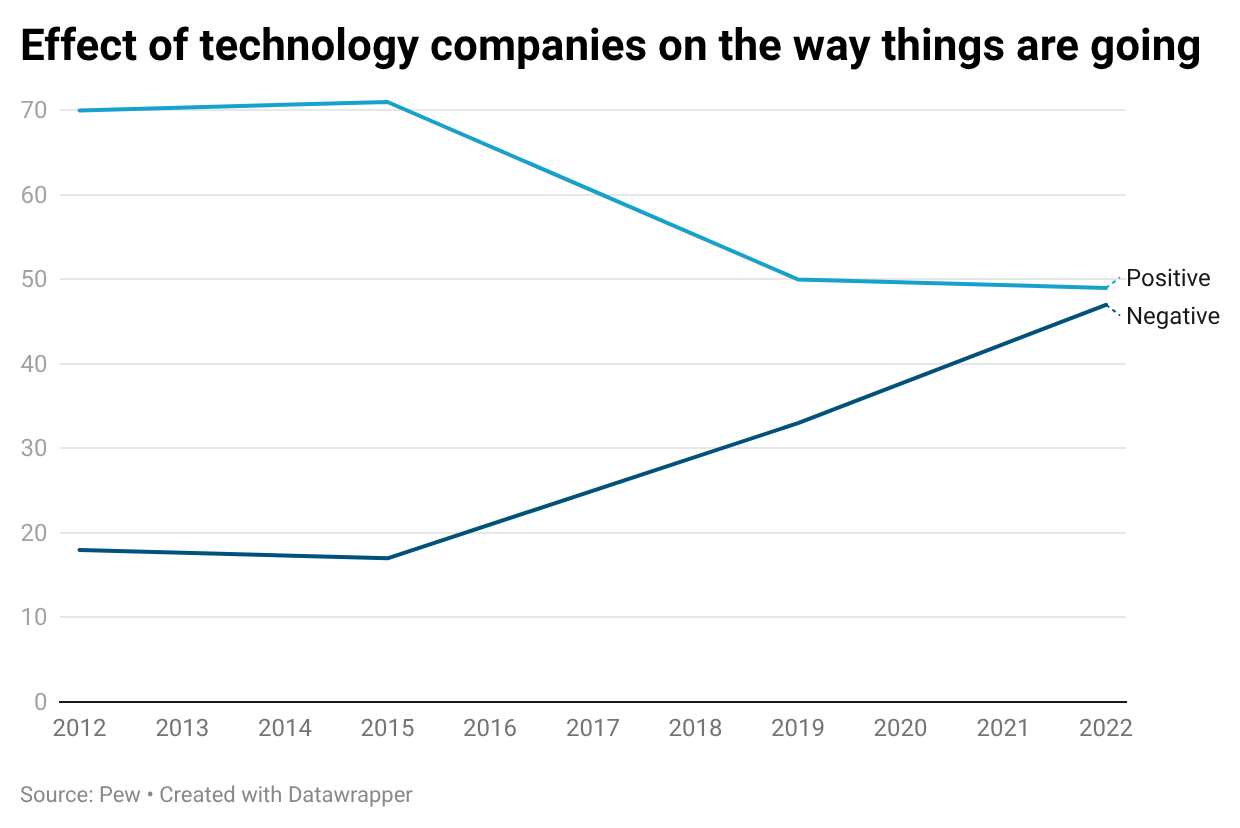
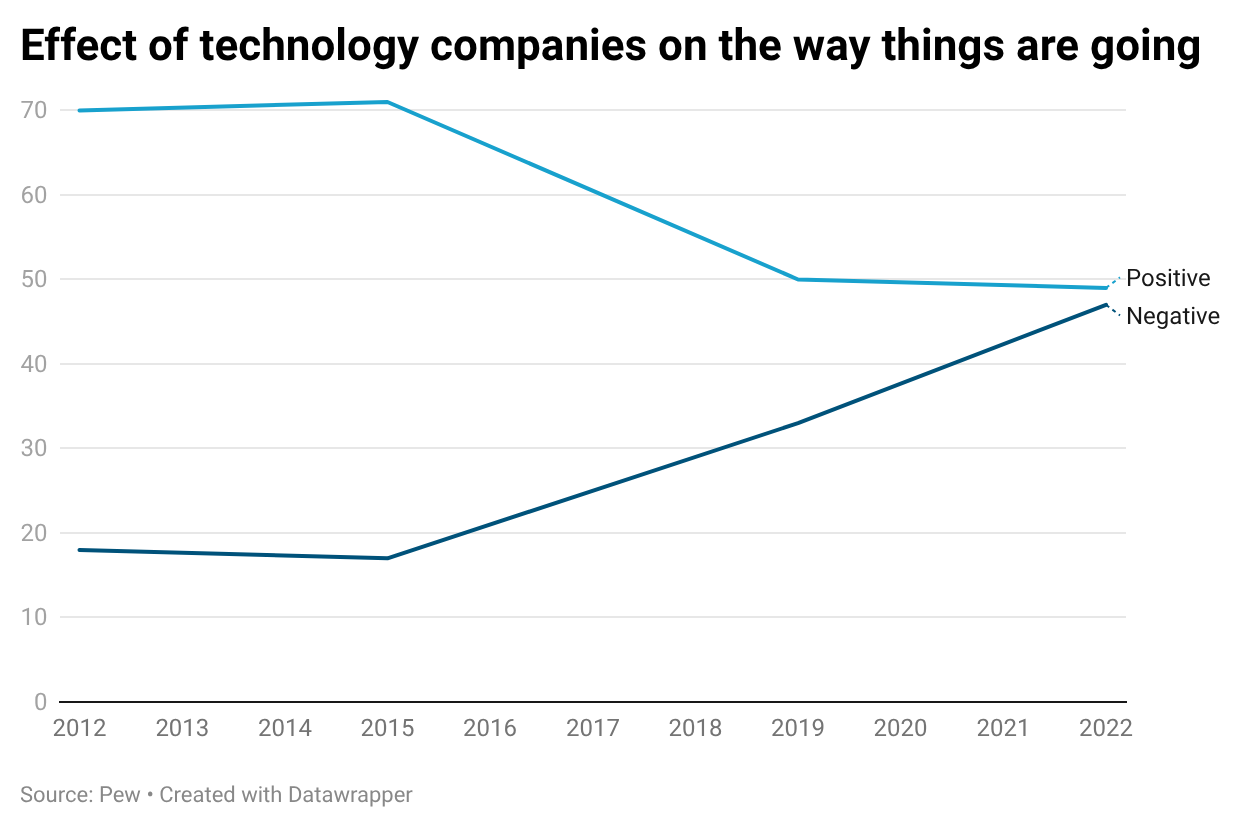
Why Does Everyone Hate AI? - Paul Krugman
Co-Existence and the End of Co-Intelligence - Ethan Mollick
Opinion | What 370,000 College Essays Tell Us About A.I.’s Effects on Creativity - Rebecca Winthrop
A.I.’s smooth sentences, elegant transitions and rich vocabulary give the illusion of expansive creativity and individuality. But the underlying ideas often converge into a few homogenized categories. ... In a separate study, the team found that human-written essays offered up to eight times more new ideas than those produced by A.I.
Fun Practical Projects and Learning Opportunities
Fun projects
Ever wondered how an AI would talk if it only ever read Dickens?: Making a vintage LLM from scratch;
I didn't want my LLM to learn about computers, atomic bombs and space-ships, so I had no choice but to make my own... From the start, I knew that the data is the most important: garbage in -> garbage out. I did lots and lots of experiments and iterations, I played with DBs like Qdrant, Zvec, Lance, ValKey, and LevelDB for storing the datasets.
Excellent interactive exploration that breaks down the Fourier analysis behind your favourite electronic sounds.: How The Heck Do Synthesizers Work? (An Interactive Exploration)
This is a consequence of a theorem proven by Joseph Fourier in the early 1800s: any periodic waveform can be decomposed into a sum of sine waves at different frequencies, amplitudes, and phases.
Clever Raspberry Pi project uses edge AI to turn backyard bird calls into beautiful Japanese-style artwork.: Avian Visitors - Teddy Warner
The packing algorithm itself is a center-out spiral: tiles get sorted by area descending, the largest is placed at the center of mass, and each subsequent tile spirals outward from the center until finding a position where its mask doesn’t intersect any already-placed mask.
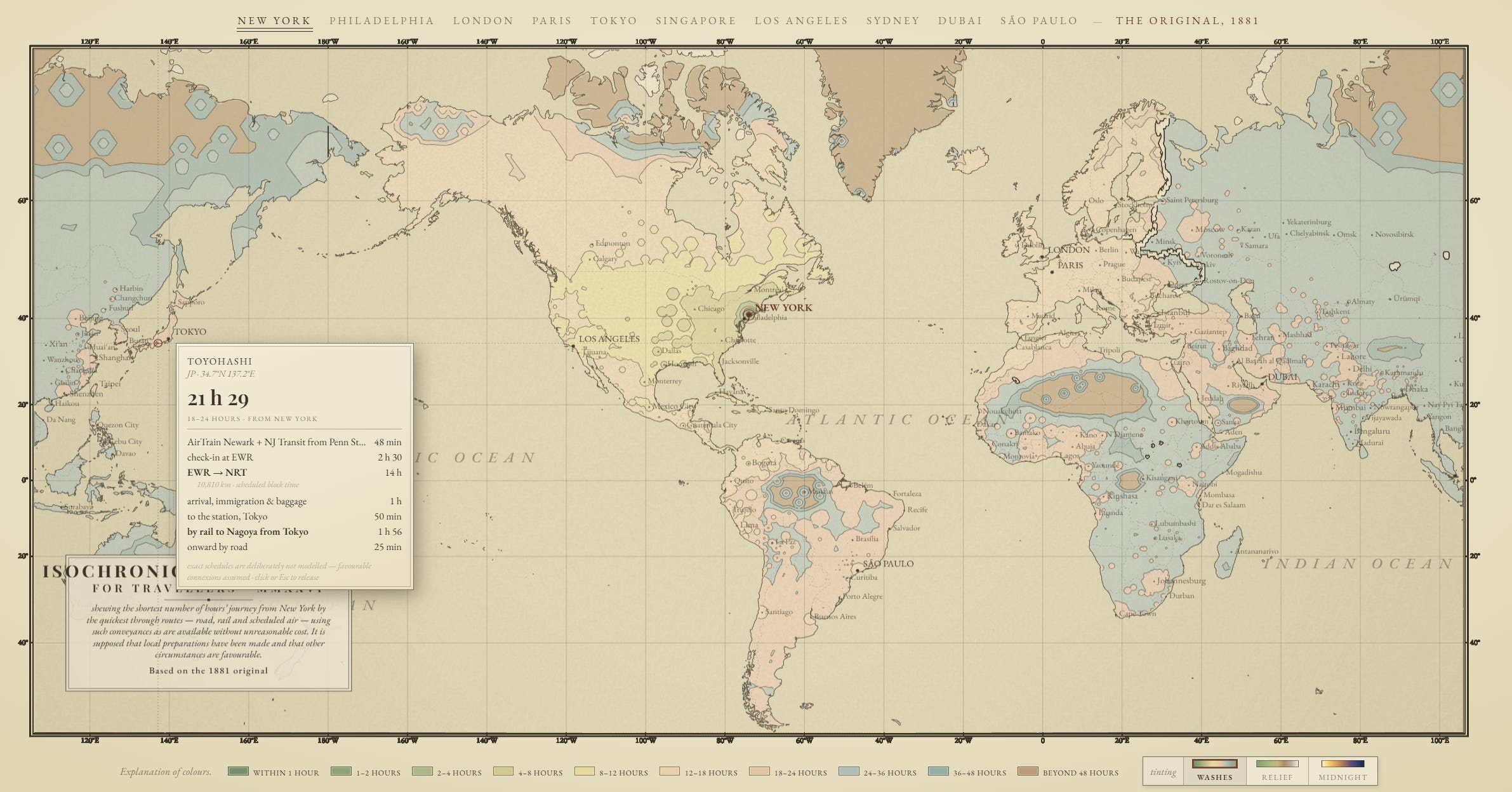
Prime-Minister turnover through the ages: United Kingdom prime ministers
In fact, in the late twentieth century with Thatcher and Blair, the UK faced a period of unusually slow turnover of prime ministers. But that was a formative period in the life of many of today’s political commentators, so its not surprising that the current rapid turnover comes across as a surprise.
So you want to build a robot?.: A Beginner's Guide to Robotics Hardware | Interlatent Blog
The command that is sent is not the motion or the torque, but end-state results. An instruction to move a joint to a given position passes through friction and load before it becomes real movement. This gap between commanded and achieved motion is exactly why learning-based controllers like Action Chunking with Transformers (ACT) predict short sequences of actions rather than one step at a time to keep small errors from compounding over a long horizon.
Updates from Members and Contributors
Eran Raviv, Expert researcher (DS) at APG Asset Management, has published an interesting pape on covariance estimation for wide data- see here
Jobs and Internships!
The Job market is a bit quiet - let us know if you have any openings you’d like to advertise
Napier AI are hiring for a data scientist in their Belfast office - this would suit someone with several years of commercial experience who can take models from research to production. You must be a UK national and already physically located in the Belfast area. You can submit your CV via a speculative application here: Register Your Interest | Napier AI Careers
Data Internships - a curated list
Again, hope you found this useful. Please do send on to your friends- we are looking to build a strong community of data science practitioners- and sign up for future updates here
Piers
The views expressed are our own and do not necessarily represent those of the RSS